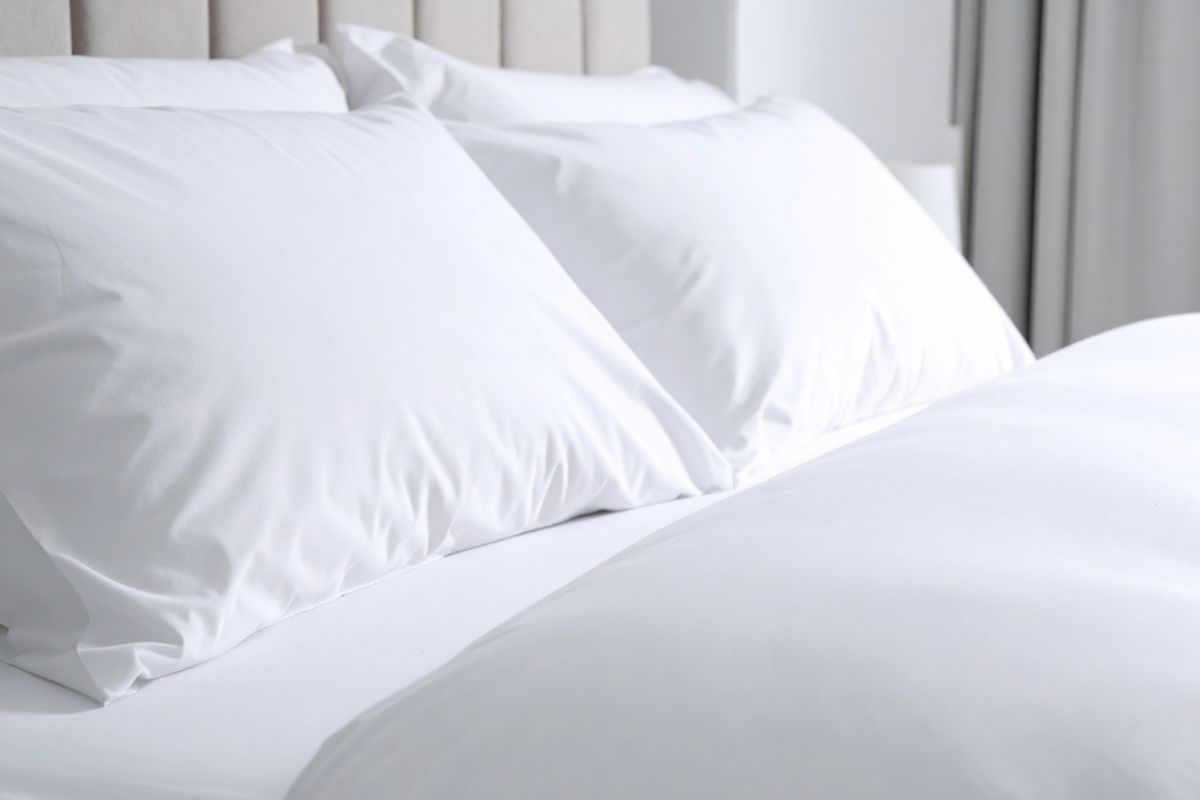
Choosing the right pillow is essential for a restful, high-quality night’s sleep, as it determines how your neck aligns with your spine whilst you sleep.
However, not everyone needs the same type of pillow, and factors such as sleeping position, the type of mattress, or preferences regarding firmness and support can completely change what is considered most suitable.
That’s why, in this post, we’ll tell you which is the best pillow for sleeping in each case, analysing the main types of pillows and their features so you can decide which one is best for you.
What are the best pillows for sleeping, depending on your sleeping position?
One of the factors that influences your choice of pillow is the position you sleep in at night, as the aim is to keep your neck and spine properly aligned. Therefore, depending on your sleeping position, you will need a pillow with different levels of height, firmness and adaptability.
If you sleep on your side
The best pillow for side sleepers is medium to firm, with enough thickness to fill the gap between your shoulder and head. If it is too low, your head drops too far down and can cause neck strain; conversely, if it is too high, your neck is forced into an upward position.
If you sleep on your back
In this position, the pillow should raise your head slightly to keep it aligned with your neck, though not too much. So, if you’re wondering which is the best pillow for sleeping on your back, options of medium height and firmness are generally suitable, as they prevent both hyperextension and flexion of the neck.
If you sleep on your stomach
When sleeping on your stomach, the priority is to minimise neck strain as much as possible, as this position tends to put strain on it. Therefore, the best pillow for sleeping on your stomach is a soft, thin and flexible model that minimises cervical rotation and promotes a more natural position.
If you change position
If you tend to move around frequently during the night and don’t stay in one position, it’s best to opt for a pillow of medium thickness and firmness. This way, it will adapt better to both side-sleeping and sleeping on your back, without your neck being too low or too high.
What material are the best pillows made of?
As well as considering the position you adopt whilst resting, to determine which pillows are best for sleeping you must also consider the material they are made from. Each option offers different levels of adaptability, firmness and feel.
Memory foam pillows
Many people consider memory foam models to be the best pillows on the market, as they adapt to the shape of the head and neck, offering stable support that helps maintain cervical alignment.
Their main advantage is the reduction of pressure points, allowing for better rest and preventing tension or discomfort in the neck. Furthermore, they return to their original shape after use and remain in good condition for years.
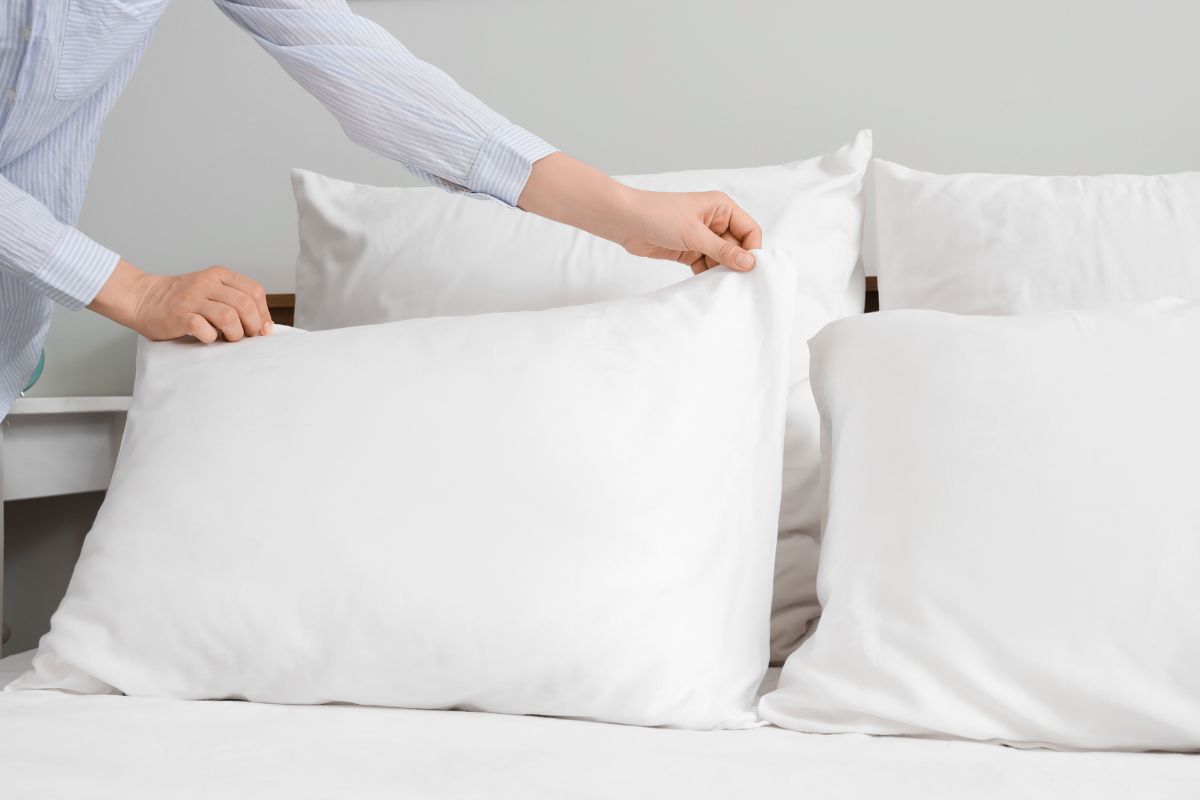
Synthetic fibre pillows
Synthetic fibre pillows, on the other hand, are characterised by their lightness and softer feel. They are usually breathable and easy to care for, making them a practical choice for everyday use.
They are also generally the most economical option, although they may lose some of their volume over time, so it is important to check their condition regularly to ensure a good night’s sleep.
Latex pillows
Latex pillows, on the other hand, have excellent natural elasticity, allowing them to adapt well to your sleeping position without sinking in too much. They offer firm and stable support, retaining their shape even with continued use.
However, they require better ventilation, as they can retain more heat during the night, so it is advisable to use them in bedrooms with good air circulation.
Feather or down pillows
Finally, feather pillows stand out for their great softness and adaptability, providing a very enveloping feeling of comfort. Their firmness level is low to medium, making them more suitable for those who prefer light support.
However, they can trigger allergies in some people and need to be fluffed up frequently to maintain their shape and volume over time.
How does the type of mattress influence your choice of pillow?
Another factor to consider when choosing a pillow to help you sleep better is the type of mattress, as both elements work together to maintain the alignment of the spine.
With memory foam mattresses, the body moulds more closely to the surface, particularly around the shoulders and hips. This reduces the height difference between the neck and the mattress, so a medium or low-thickness pillow is usually sufficient.
On the other hand, with a spring mattress, the body tends to sink in less, so the shoulders and back are higher than the neck. In this case, a thicker pillow or one of medium-high firmness is better to maintain good alignment.
As for latex mattresses, they offer fairly uniform support, allowing the body to adapt in a balanced way. Therefore, pillows of medium firmness and thickness are best.
As a general rule, the firmer the mattress, the more support your head needs. Conversely, the more adaptable the mattress is, the lighter the pillow can be.
Signs that your pillow isn’t the right one for you
If you’re unsure whether your pillow is helping you sleep well, there are some signs that may indicate it isn’t working properly, such as:
- Neck pain or stiffness upon waking: if you wake up feeling a stiff or tense neck, this may indicate that your pillow is not helping to maintain proper cervical alignment during the night. This usually means that the pillow’s thickness or firmness is not suited to your usual sleeping position.
- Tension in the shoulders: when the pillow is unsuitable, the muscles in the upper body may remain tense whilst you sleep, causing strain on the shoulders and back, especially if you sleep on your side.
- Feeling of not having rested well: waking up feeling as though you have had a poor night’s sleep even after having slept for a sufficient number of hours may be linked to poor neck positioning.
- Constant changes in position during the night: if you move around too much in search of comfort, it may be a sign that the pillow does not adapt well to your posture and does not provide adequate support.
- Headache upon waking: poor cervical alignment can lead to accumulated tension that manifests as morning headaches.

How to choose the best pillow? Key tips
If you’re still unsure how to choose the best pillow, here are some tips to help you make the right decision:
- Assess your sleeping posture: the position you sleep in determines the type of pillow you need, as it’s important to ensure your neck and spine are properly aligned.
- Check your alignment when lying down: when trying out pillows, lie down and check that your neck is in line with your spine. If your head is too high or too low, the pillow isn’t right for you.
- Choose the right firmness: this determines how the pillow responds to the weight of your head. Although the choice depends on personal preference, it should offer sufficient support without being too firm or sinking in too much.
- Take your mattress into account: if your mattress is firm, a thicker pillow usually works best; if it is adaptable, a lower-profile pillow is preferable.
- Consider how you feel when you wake up: if you wake up without discomfort and feeling that you have slept well, the pillow is likely to be suitable. If you notice stiffness, tension or discomfort, it may not be fulfilling its function properly.
- Pay attention to breathability: it is important that the pillow allows for good ventilation during the night, preventing heat or moisture from building up.
- Consider how easy it is to maintain: choose models that can be washed easily to keep the pillow in good condition for longer and extend its lifespan. If you’re not sure how to wash your pillows, you can always check the label for the manufacturer’s instructions.
Frequently asked questions about which pillow is best for sleeping
To conclude, let’s address some of the most common questions about choosing a pillow for specific situations.
Is it better to sleep with or without a pillow?
Generally speaking, sleeping with a pillow is recommended, as it helps keep the neck properly aligned with the spine and promotes correct posture whilst you sleep. Sleeping without one often makes this alignment difficult and can lead to neck discomfort and a less restful night’s sleep.
What is the best pillow for preventing snoring?
If you want to reduce snoring, it is best to use a pillow that keeps your head slightly raised and promotes a good neck position. Sleeping on your side is usually more effective, so the pillow should adapt well to that position.
What is the best pillow for pregnancy?
During pregnancy, especially from the second trimester onwards, it is recommended to sleep on your side. Therefore, the best pillow is one that helps maintain a stable posture and keeps the neck aligned with the spine, preventing strain in the cervical area.
In many cases, people opt for specific pregnancy pillows, which are longer and also provide support for the abdomen and legs.
What is the best pillow for neck pain?
If you suffer from neck pain, it is essential to choose a pillow that maintains the alignment of the spine without causing strain. The choice will depend on your sleeping position, but you should avoid both pillows that are too high and those that lack sufficient support.