

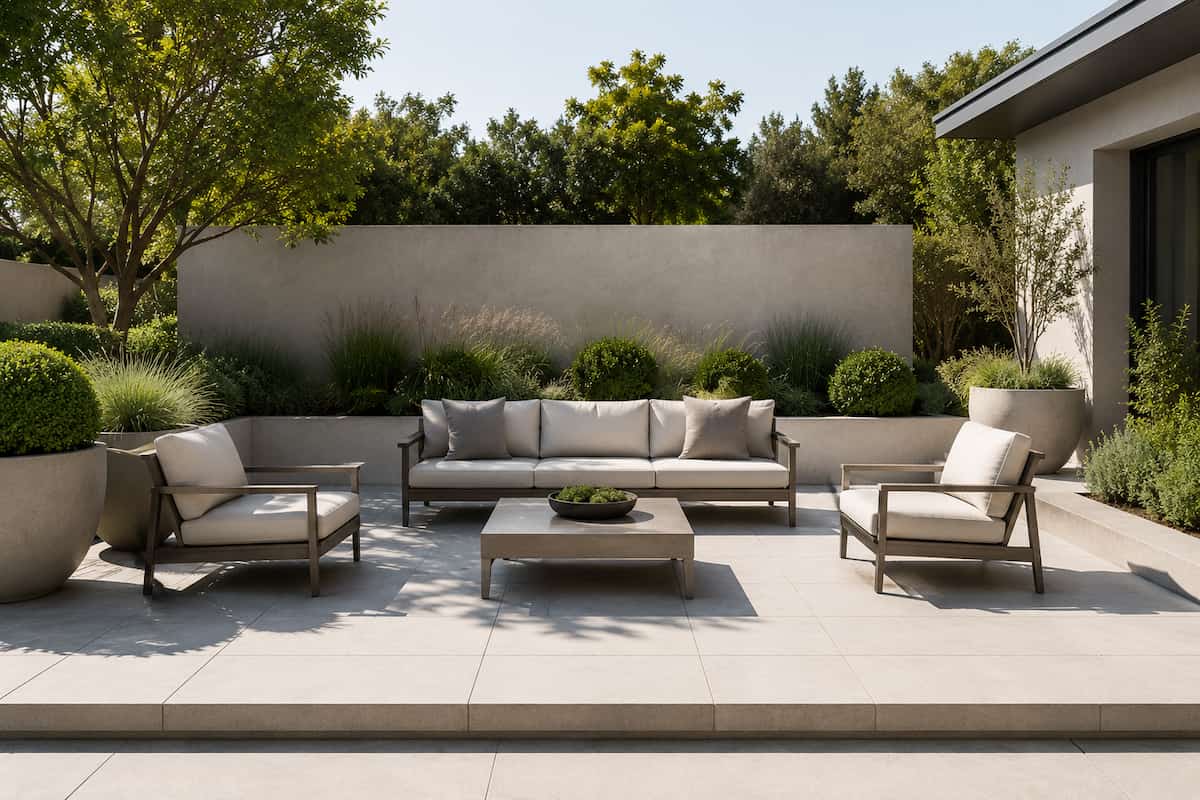
Modern minimalist gardens are an excellent choice for anyone looking for a tidy, elegant and easy-to-maintain outdoor space. This style is based on simplicity, favouring garden furniture with clean lines, neutral colours, durable materials and an uncluttered, comfortable layout.
In this post, we’ll explain how to design a minimalist garden, which furniture works best, and what ideas you can use to create a comfortable, contemporary and functional space.
Minimalist landscaping stands out for its visual balance, simplicity and the absence of unnecessary elements. Thus, the main aspects that define it are:
Before choosing the décor for a modern minimalist garden, you need to carefully plan the layout of the space, taking the following factors into account:
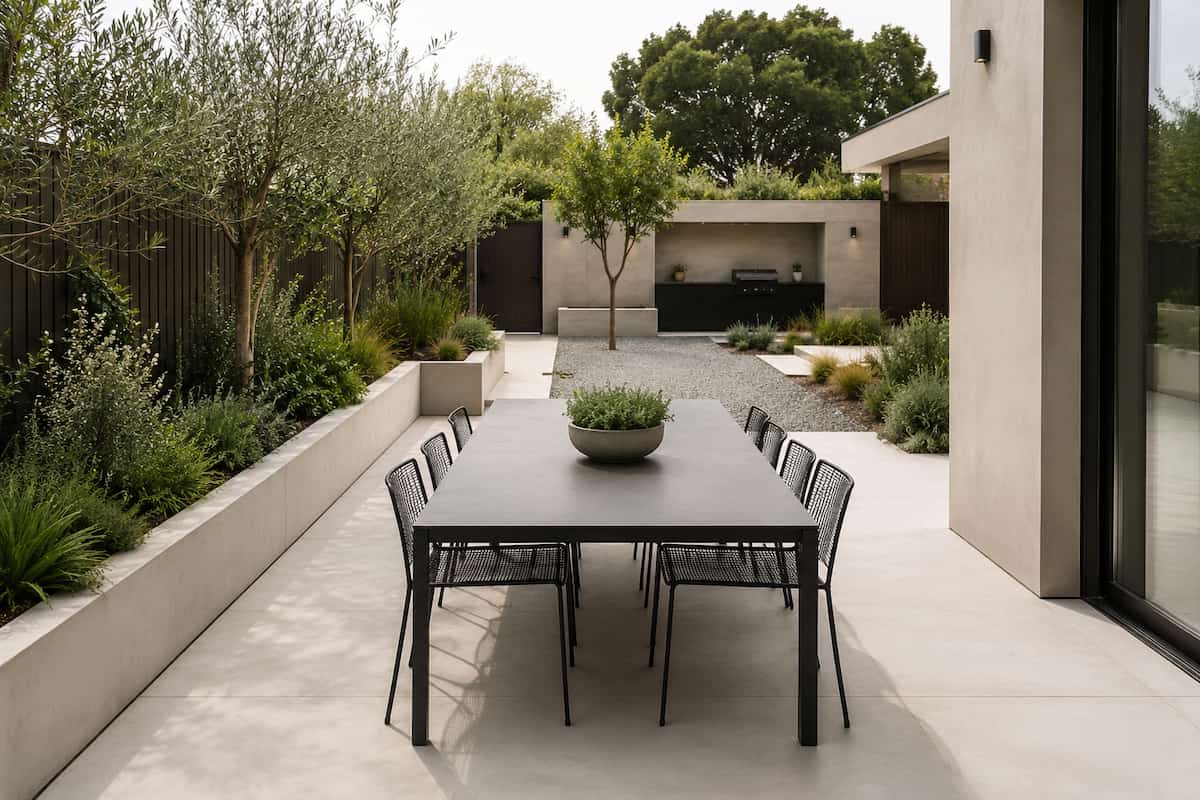
Minimalist garden design is all about striking a balance between functionality, aesthetics and simplicity. With this in mind, you should choose just a few elements, but combine them carefully to create an outdoor space that is tidy, comfortable and pleasant all year round.
One of the best ways to make your minimalist garden practical is to set up a relaxation area where you can unwind at different times of the day. Even without adding too much furniture, this space can become the focal point of the garden if designed properly.
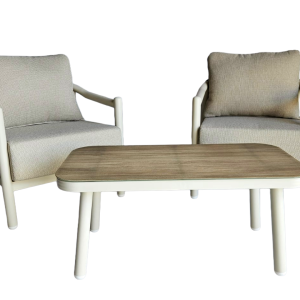
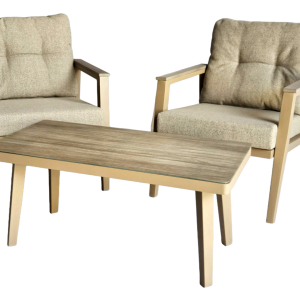
You could use an outdoor sofa, two comfortable armchairs and a low table, adding a parasol if the area is in the sun for long periods. To maintain the minimalist aesthetic, it is advisable to opt for designs with straight lines, neutral tones and elegant materials.
The design of a minimalist garden stands out for the use of geometric shapes, which help to visually organise the garden. You can use them in rectangular paving paths, linear planters, paved areas, square plant pots or symmetrical arrangements of plants and furniture.
This type of design works very well in a minimalist outdoor garden because it creates a sense of structure without the need to add many decorative elements. What’s more, the simple lines make the space look cleaner, more spacious and modern.
Although natural materials such as wood fit well with the minimalist style, they are not the most recommended option as they are often sensitive to outdoor conditions. Instead, you can opt for materials such as aluminium, ceramic or synthetic rattan, all of which are durable and easy to maintain and will help you create a simple, modern space. Stone or gravel is usually used for paving.
It is not advisable to mix too many finishes; instead, choose two or three main materials and repeat them in different areas of the garden, such as the paving, furniture, planters or decorative details.
Lighting can completely transform the atmosphere of the garden once night falls. In minimalist garden designs, the ideal approach is to use warm, soft and well-integrated lights, avoiding excessive or overly visible light sources.
You could install recessed spotlights or path lights along the walkways, simple wall lights on the walls, or LED lighting near the seating area. This will create a cosy and elegant atmosphere that complements the clean, minimalist style of the space.
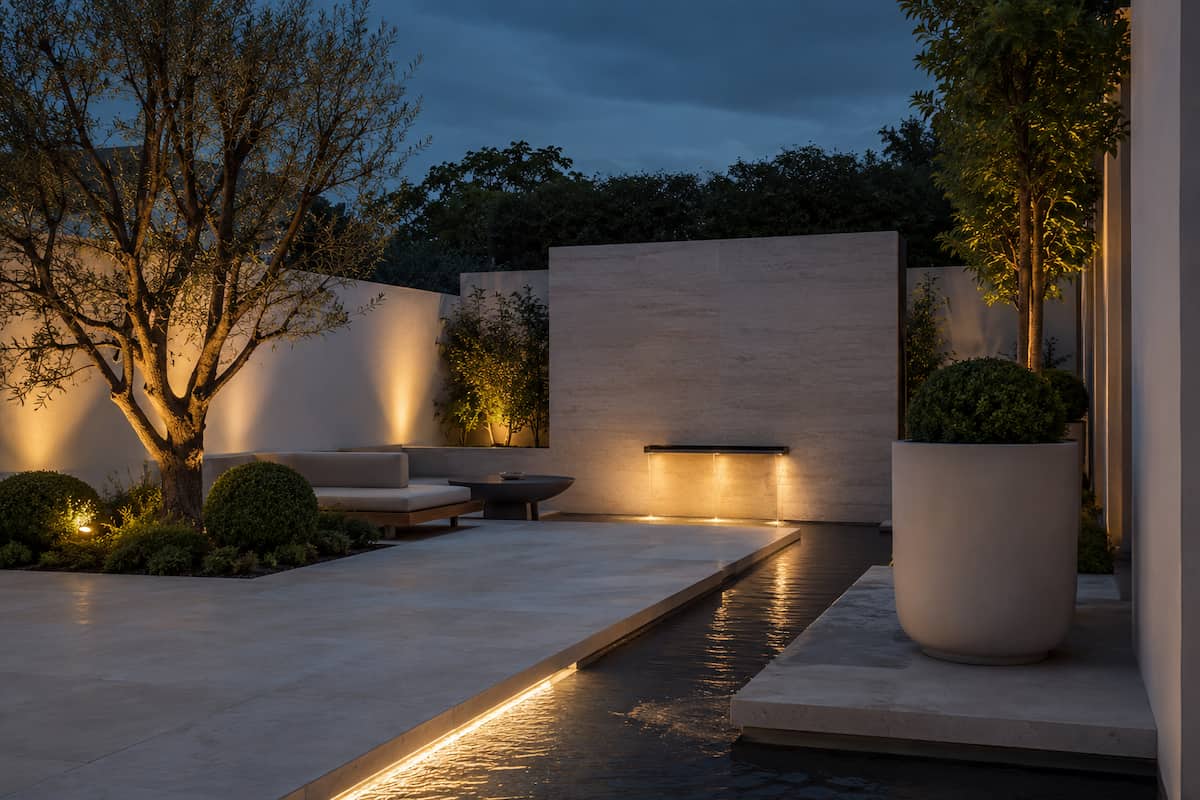
Incorporating a water feature can bring a sense of freshness, movement and tranquillity to the garden, as well as serving as a decorative element in its own right. To ensure it fits into a minimalist outdoor garden, it is best to choose a simple design that is proportionate to the available space.
It could be a wall fountain, a small waterfall or a discreet decorative feature. Take care to ensure it isn’t too ornate and that it blends well with the garden’s materials and colours.
Although minimalism is based on simplicity, that doesn’t mean the garden has to feel impersonal. You can decorate it to your taste with textiles in natural tones, designer planters or simple decorative pieces.
That said, choose just a few details and place them with a clear purpose; don’t clutter the space with unnecessary ornamental elements.
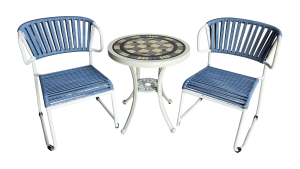
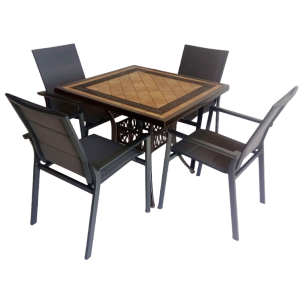
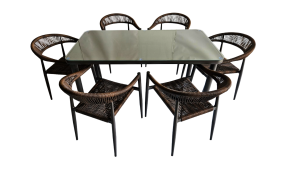
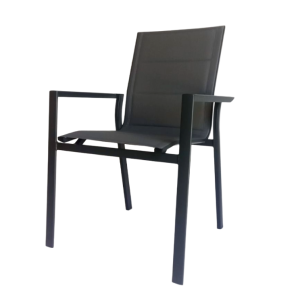
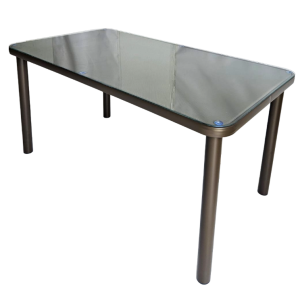
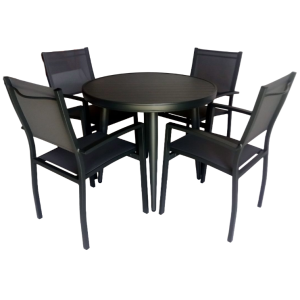
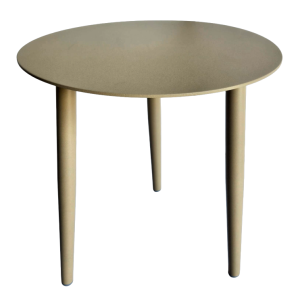
Now that you have some ideas for a minimalist garden, let’s focus on one aspect that shouldn’t be left to chance: choosing the furniture. In this type of space, it’s best to opt for simple, comfortable and lightweight furniture, prioritising neutral colours and designs with clean, straight lines.
Some of the essential pieces for a minimalist home garden are:
Before we finish, we’d like to highlight the most common mistakes people make when designing a modern minimalist garden, which can detract from the final result:
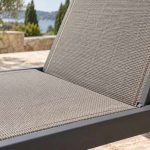
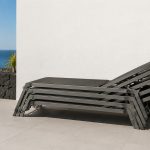
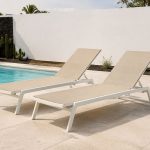
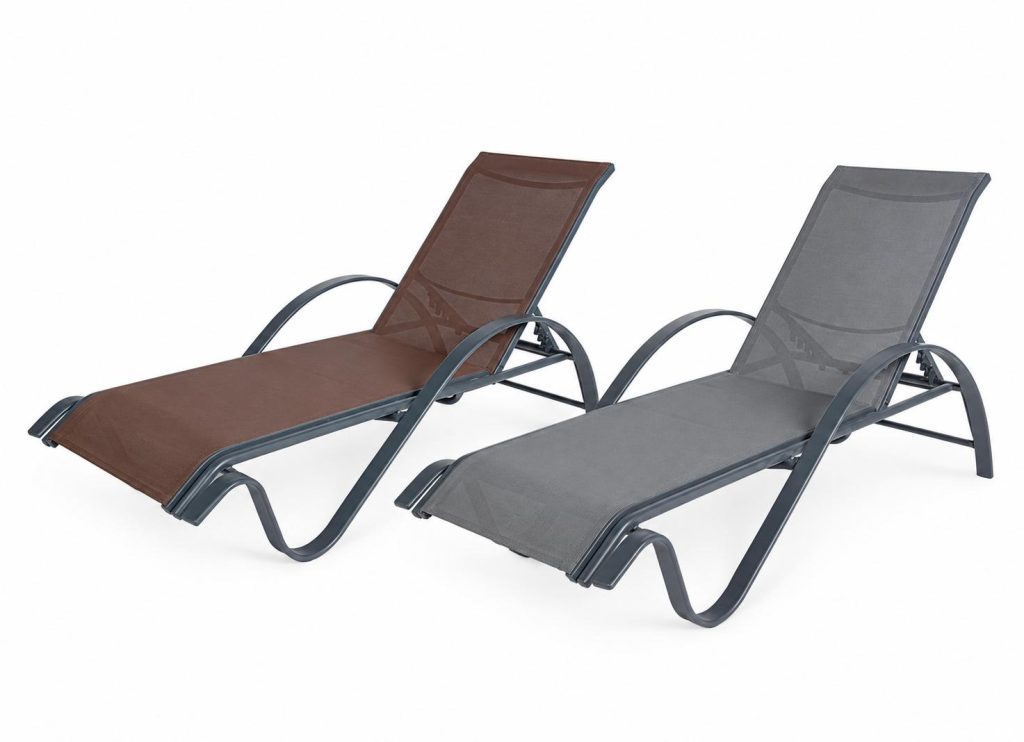
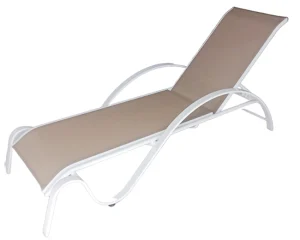
For a minimalist garden with a swimming pool, the best approach is to maintain a clean, uncluttered look, using few materials and carefully chosen furniture. You could add two textilene sun loungers, a side table and one or two lightweight parasols by the water, choosing moisture-resistant materials such as aluminium or polypropylene.
If your minimalist garden is small, the most important thing is to make the most of every square metre, taking care not to clutter the space. You can opt for lightweight furniture, plants in simple pots, vertical decoration and a neutral, light colour palette, which creates a sense of spaciousness. It’s also a good idea to leave some open areas, even if they’re small, as they’ll make the space seem larger.
The colours that work best in a minimalist-style garden are neutral and natural tones, such as white, grey, beige, charcoal, soft green or earthy brown. This palette helps to create a serene, tidy look that blends easily with the home and the surrounding outdoor environment.
The focus is usually on hardy plants, set in geometric planters, that require little maintenance. Common choices include aromatic plants, cacti, grasses, succulents and shrubs, taking care not to mix too many different species.
Yes, in fact, this is one of the great advantages of this style. To achieve this, it is advisable to choose plants suited to the local climate, reduce the amount of natural lawn, use gravel or easy-to-clean paving, and select durable outdoor furniture that can withstand the sun and humidity.