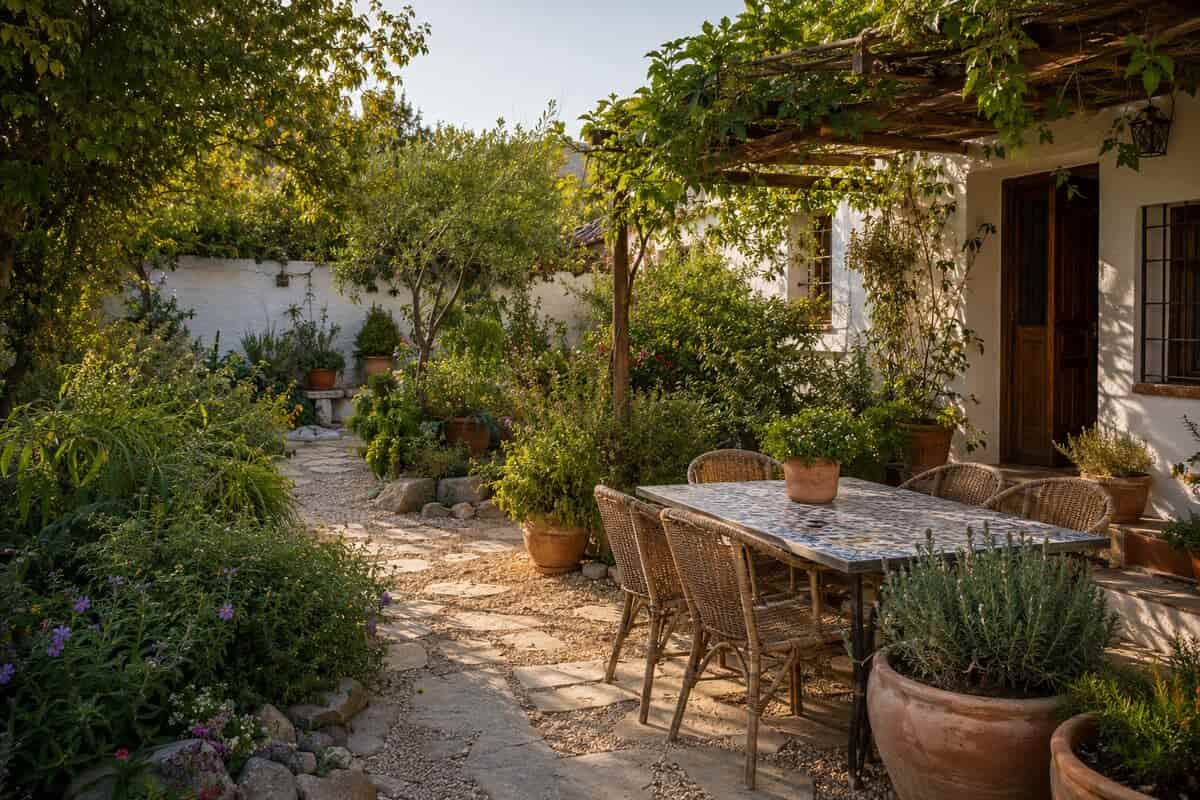
Rustic gardens invite you to unwind without leaving home, combining the natural surroundings with spaces designed for enjoying the outdoors. This style embraces a relaxed aesthetic, incorporating abundant greenery, textured materials, warm tones and cosy furniture.
What’s more, creating this atmosphere on your terrace or in your garden doesn’t require major renovations; all you need to do is choose the right garden sets, plants and details that add warmth without compromising on comfort. Below, we’ll show you how to create charming rustic gardens, step by step.
What characterises a rustic garden?
The rustic style is recognised by its natural and cosy aesthetic, in which the various elements blend into the surroundings organically. These are its main characteristics:
- Natural-looking materials: stone, ceramics, synthetic rattan and weathered finishes add warmth and a handcrafted look. Although wood can work well in this setting, it is not recommended for outdoor use unless it has been treated, due to the material’s low resistance to weather conditions.
- Colours inspired by nature: in rustic country gardens, earth tones, sand, beige, green and terracotta predominate, combined with neutral shades that convey a sense of serenity.
- Lush vegetation: aromatic plants, wildflowers, shrubs and native species help to create a lush space that blends seamlessly with the landscape. Clay or terracotta planters fit perfectly into this style of garden.
- Organic shapes: irregular paths, planters of varying sizes and a mix of textures create a spontaneous and welcoming feel.
- Decorative details with character: using cushions with natural prints, lanterns or ceramic pieces can add warmth to the overall look.
- A cosy atmosphere: furniture with simple lines, textiles and seating areas reinforce the feeling of home.
Factors to consider before choosing the décor for your rustic garden
Before thinking about how to decorate a rustic garden, it’s advisable to analyse the characteristics of the space to achieve an attractive, functional and durable result:
- Size and layout: measure the available area and define the seating, dining and walkway areas. In small rustic gardens, avoid overcrowding the space and opt for lightweight or compact furniture.
- Exposure to the weather: consider the hours of sunshine, wind, humidity and proximity to the sea. In climates such as that of the Canary Islands, it is best to opt for materials such as synthetic rattan, aluminium or resin, which withstand continuous outdoor use well.
- Main use: consider whether you’ll be using the garden for dining, relaxing, entertaining guests or sunbathing. This decision will determine whether you need a large table, a seating area, sun loungers or a combination of different spaces.
- Maintenance required: some materials, plants and textiles require more care than others. If you’re looking for simple, rustic gardens that are easy to maintain, prioritise aluminium or synthetic rattan furniture, removable and washable covers, as well as plant species suited to the local climate.
- Available budget: decide which elements are priorities and set aside part of your budget for lighting, planters, cushions and other details that will complete the look.
- Style of the house: try to ensure the garden maintains a certain continuity with the façade, the paving and the interior spaces. You don’t need to replicate the exact same décor, but you should stick to a consistent colour palette and use materials that complement each other.
Rustic garden design ideas: get inspired!
Now that you know the characteristics of this style and what factors to bear in mind before you start, here are some ideas for designing a charming rustic garden.
Go for controlled chaos
The rustic style doesn’t aim for perfect symmetry. That’s why combining plants of different heights, decorative elements of varying sizes and materials, or cushions in different shades creates that spontaneous, lived-in feel so characteristic of this style.
The aim is to create a natural look, although each piece should occupy a specific spot so as not to obstruct the path or overwhelm the garden. Repeating certain colours or materials will help maintain harmony.
Clay and ceramics take centre stage
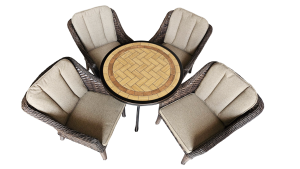
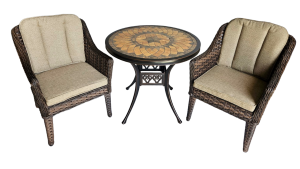
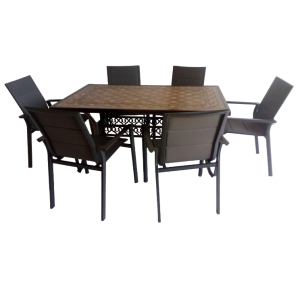
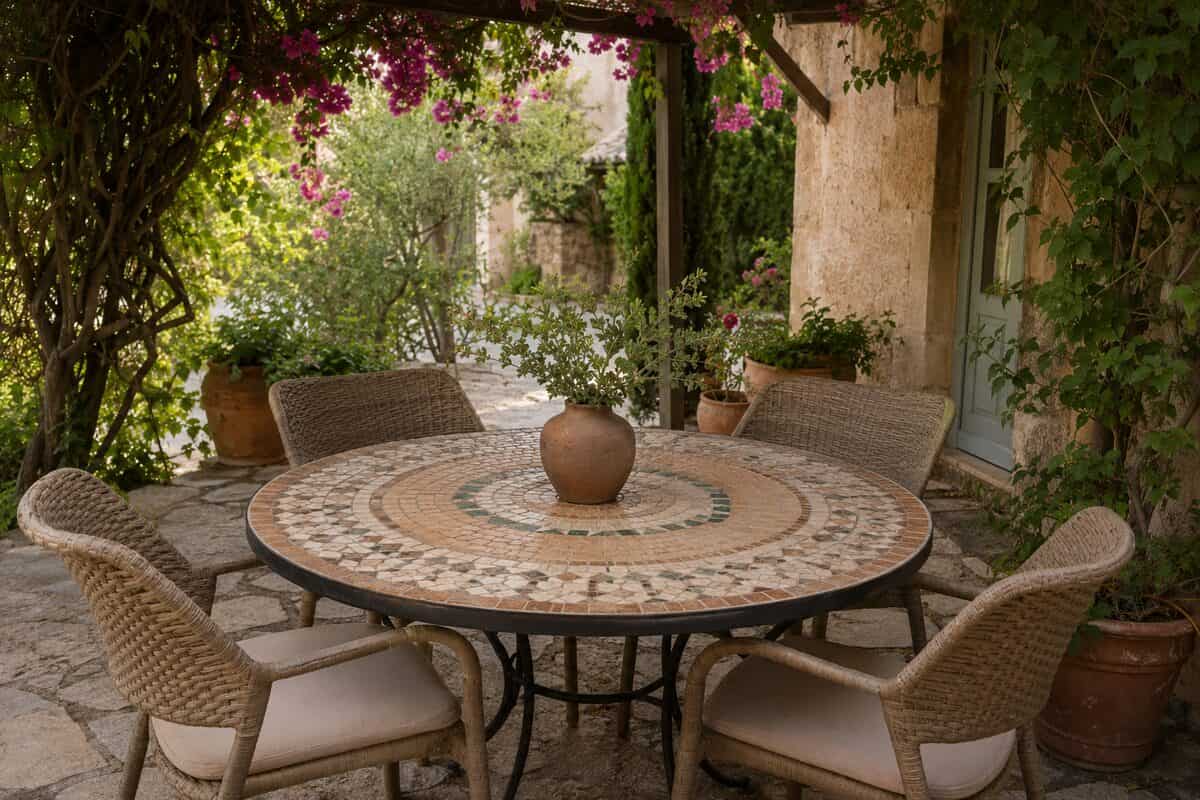
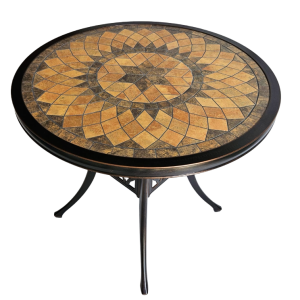
Using ceramic garden furniture combined with terracotta planters is a sure-fire success when decorating rustic outdoor gardens. Ceramic table tops with mosaic designs in warm tones lend a very natural look to the outdoor dining area.
Meanwhile, the porous texture and earthy tones of clay planters fit naturally into the rustic style. You can use different sizes and place them alongside plants and shrubs to add visual warmth.
Create paths with stone or gravel
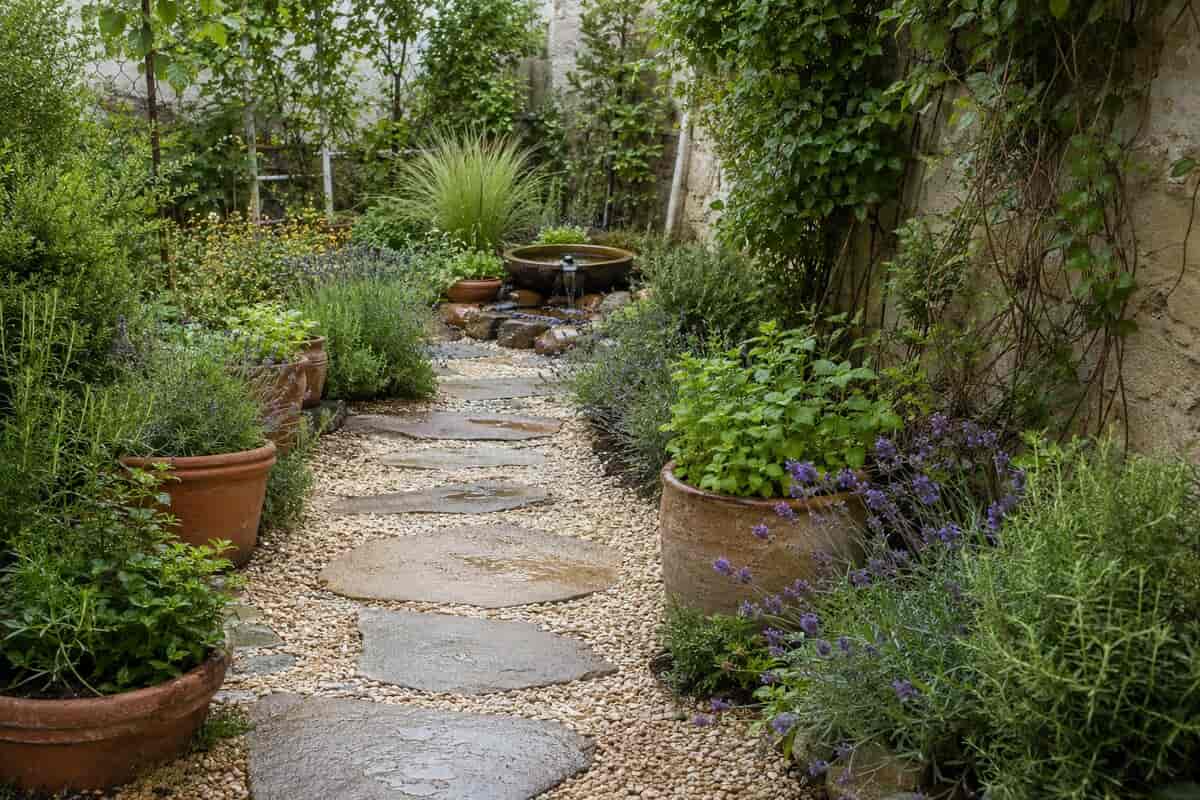
Another of the best ideas for decorating rustic gardens is to mark out paths with natural stone or gravel, which adds texture to the ground and also helps to organise the space. It’s a simple technique that defines walkways, distinguishes them from seating areas and adds that country-style touch that characterises gardens with rustic charm.
Incorporate water features
A stone fountain, a decorative pond or even a small solar-powered fountain placed amongst the plants can become the focal point of the garden. Choose a feature proportionate to the available space and position it where it can be seen from the seating area. The sound of water also helps to create a relaxing atmosphere and enhances the feeling of a natural retreat.
Design a rustic relaxation corner
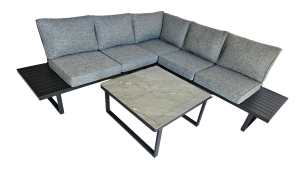
Make the most of an area sheltered from the sun and wind to set up some armchairs, a corner sofa or a small outdoor seating set. Synthetic rattan or aluminium furniture with natural finishes fits this aesthetic and offers greater durability. Complete the look with a side table and cushions in shades of beige, green or terracotta.
Light up the space with warm touches
Lighting is a key aspect of rustic garden décor, so it’s a good idea to place soft light sources along paths, amongst the plants and in the relaxation area. Lanterns, fairy lights and discreet spotlights help to create a cosy atmosphere at night.
Avoid lighting that is too white or too bright, as this would disrupt the serene character typical of this style.
Add greenery with pots and climbing plants
Climbing plants on pergolas or fences, alongside pots scattered throughout the garden, enhance the sense of a living space and help to integrate the furniture into the surroundings. Choosing varieties of different sizes and shades of green adds visual depth to the overall effect; it is advisable to select species that are well-suited to the local climate.
Include a small vegetable patch
If you have enough space, including a corner for growing herbs or vegetables adds a rustic and practical touch to the garden. As well as providing fragrance and colour all year round, these kinds of spaces encourage you to enjoy the garden in a more active way, bringing you closer to nature.
What furniture should you choose to decorate a rustic garden?
In rustic garden décor, furniture plays a key role, as it forms the foundation upon which the whole atmosphere is built. To maintain the rustic aesthetic without compromising on durability, it’s best to combine natural-looking designs with materials suited to outdoor use:
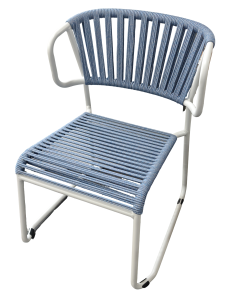
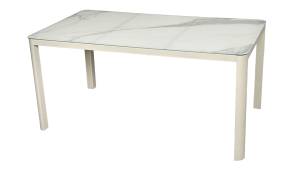
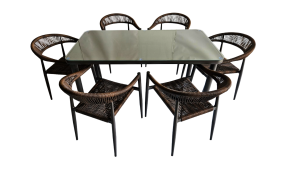
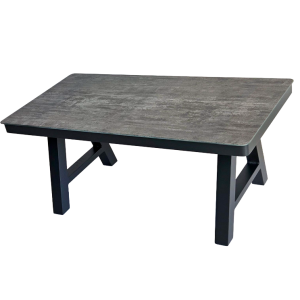
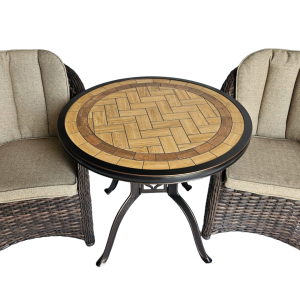
- Dining tables: models with ceramic tops, particularly those with finishes inspired by stone or mosaic, add texture and a handcrafted feel. Pair them with chairs made of aluminium, synthetic rattan or resin in neutral tones.
- Sofas and corner sofas: these allow you to create a cosy relaxation area where you can enjoy the outdoors. Synthetic rattan designs suit this style very well and withstand exposure to the elements better than other, more delicate materials.
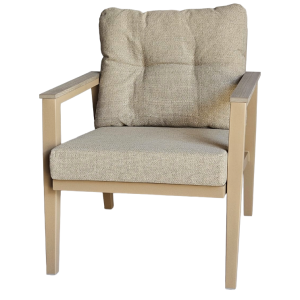
- Armchairs and pouffes: these are ideal for completing the seating area and are very easy to move around as needed. For pouffes, you could opt for pieces with botanical prints in shades of green or blue.
- Side tables: these fulfil a practical function without detracting from the overall aesthetic of the space. Ceramic models or those with earth-toned finishes are particularly suitable.
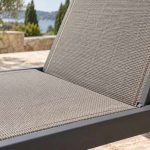
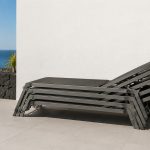
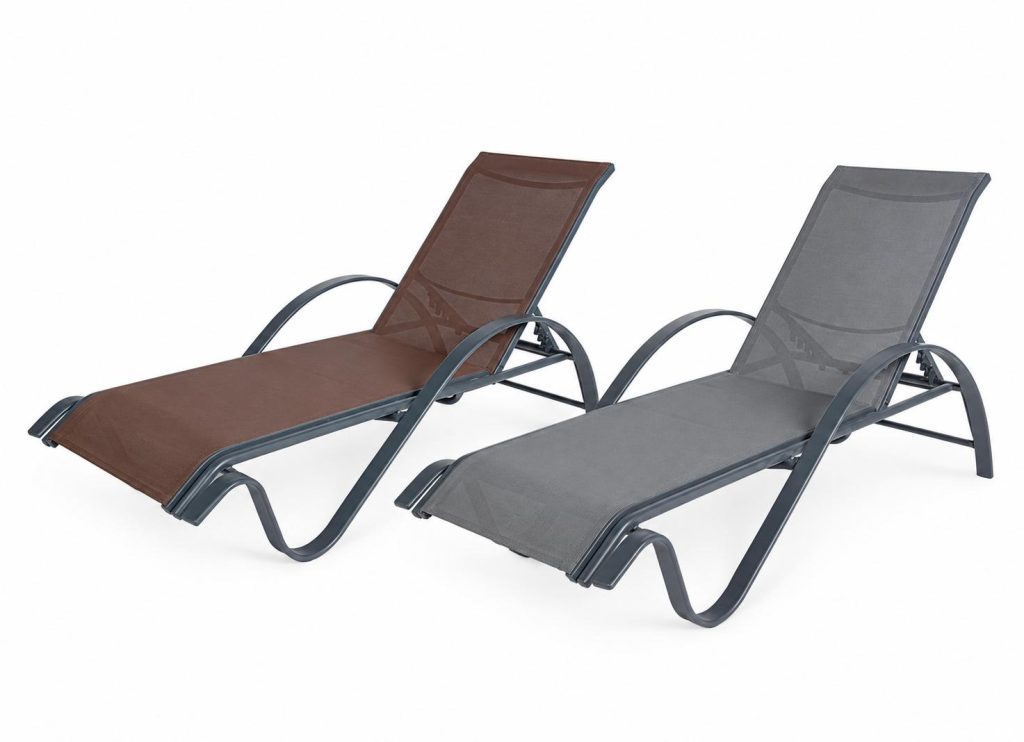
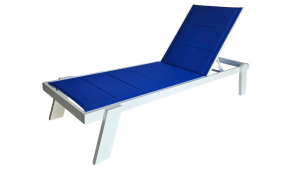
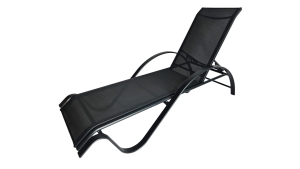
- Sun loungers and parasols: if you have enough space, add sun loungers with simple lines and a parasol in a shade of beige, sand or ecru. This will create a cosy spot to relax whilst maintaining the harmony of the whole space.
Details that add charm to a rustic garden
Once you’ve chosen the furniture, it’s the small details that add the finishing touches to the rustic décor of patios and gardens. Remember to pay attention to the following:
- Cushions and textiles: choose outdoor-suitable fabrics in earthy, green or blue tones, with botanical, floral or subtle checked patterns.
- Outdoor rugs: designs that mimic natural fibres help to define the seating or dining area and add warmth.
- Terracotta plant pots: used in different sizes, they help to incorporate greenery into any corner of the garden.
- Baskets and trays: woven fibre pieces are practical for storing blankets, organising small items or serving snacks, as well as complementing the rustic aesthetic.
- Handcrafted details: ceramic jugs, bowls and figurines introduce irregular textures and reinforce the sense of attention to detail.
- Vintage pieces: as a finishing touch, you could add a weathered lantern, a decorative metal watering can or a mirror with a worn frame – elements that add character and fit perfectly into rustic décor.
Frequently asked questions about rustic garden décor
Which materials work best in this type of garden?
Synthetic rattan, natural stone, ceramics, terracotta and aluminium with natural finishes work particularly well. Wood and wicker are also characteristic of rustic garden décor, but they are less resistant to the elements.
How can you create gardens with rustic charm without using wood?
You can do without wood entirely and opt for alternatives such as synthetic rattan or aluminium in earthy tones, which mimic the handcrafted look of wood but withstand damp, sun and the passage of time better with minimal maintenance. Combine them with natural stone, gravel and terracotta to enhance the country-style character.
How do you decorate a small rustic garden?
When decorating small gardens, it’s best to choose compact or modular furniture and keep decorative elements to a minimum. You could use a side table with a few chairs or armchairs, along with climbing plants to make the most of the vertical space. Keep walkways clear and use a limited colour palette to avoid an overloaded look.
Which colours work best in a rustic garden?
Earth tones, sand, beige, terracotta, olive green and ecru are the most suitable, as they create a visual connection with nature. You can add small accents of blue, mustard or burgundy through cushions and ceramic pieces. However, it’s best to avoid overly intense contrasts to maintain a serene and cosy atmosphere.
What are the best plants for decorating rustic gardens?
Aromatic plants, such as lavender, rosemary or thyme, are ideal due to their country-style appearance and scent. You can also use geraniums, daisies, shrubs and climbing plants such as jasmine or bougainvillea. The most important thing is to choose species suited to the climate, sun exposure and available watering.