

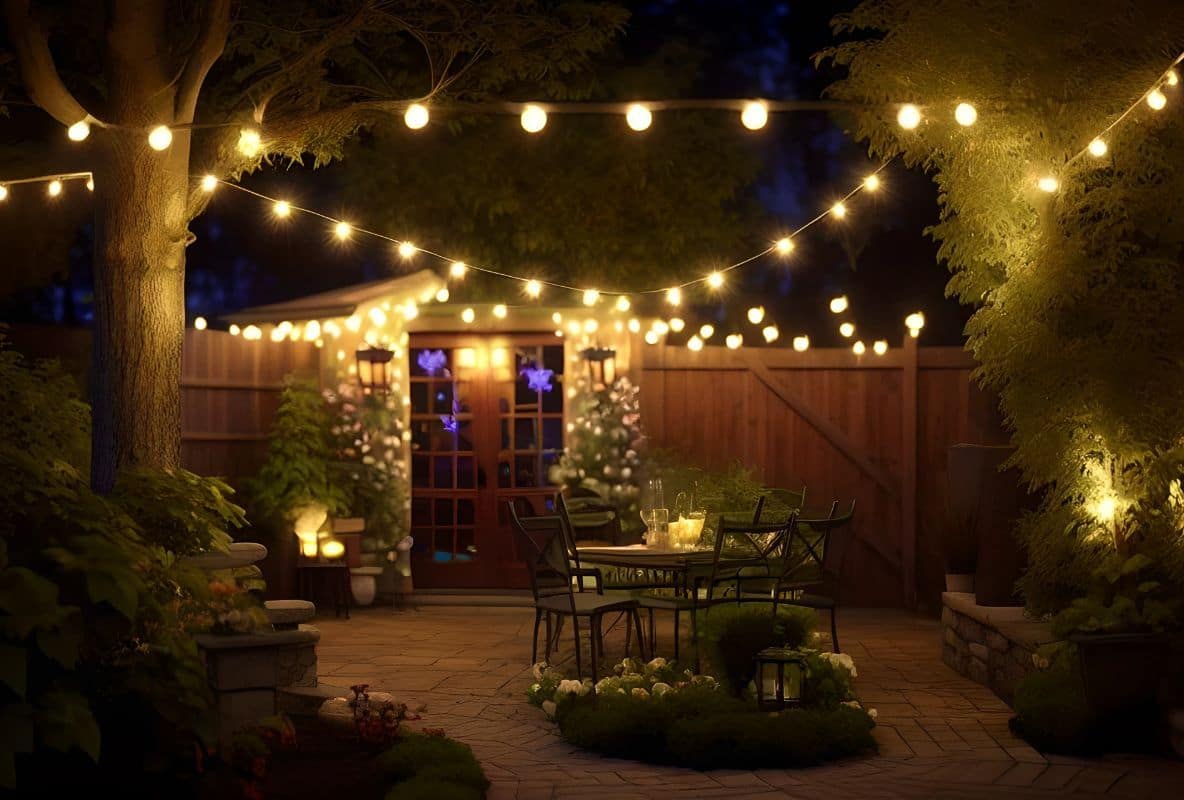
To make the most of your garden, it’s important to ensure it’s well lit at night. That’s why you need to think carefully about which areas need the most light, what sort of atmosphere you want to create, and how to use outdoor furniture to enhance the sense of brightness and clarity.
Below, we explain how to light a garden to create a comfortable, safe and welcoming space, detailing the available solutions, where best to position each light fitting and which pieces of furniture can help make your garden brighter and more inviting.
Before deciding where to position each light fixture in the garden, it is advisable to find out what solutions are available and what each one is used for. Outdoors, it is common to combine several of them to light up walkways, relaxation areas, dining areas or decorative corners.
Below, we’ll give you a range of garden lighting ideas to make your garden comfortable, safe and welcoming once the sun goes down:
In areas such as entrances, paths, stairs or dining areas, priority should be given to task lighting – that is, lighting that allows you to move around, dine, cook or access your home comfortably. Ambient lighting, on the other hand, serves a more decorative purpose and helps to create a pleasant atmosphere in the garden.
Therefore, the ideal approach is to combine both to achieve a practical and safe space that is, at the same time, warm and welcoming.
You can use outdoor garden lighting to create several distinct areas by playing with the light. For example, you can install more direct lighting for the dining area and choose soft, indirect lighting for the chill-out area, with sofas, armchairs or sun loungers.
Visually separating each area through lighting makes the garden feel like a more spacious and organised space, even when there are no physical divisions between the zones.
Garden lights must be designed to withstand damp, dust, rain, watering and temperature changes. Therefore, before choosing any lighting solution, it is advisable to check its IP rating.
This rating indicates the level of resistance to the ingress of solid particles and water. In covered or semi-covered areas, an IP23 rating may be sufficient, whilst in fully exposed spaces, near the swimming pool or next to irrigation systems, it is advisable to opt for lights with an IP65 or IP68 rating.
In spaces designed for relaxation, such as a terrace with outdoor sofas, a reading nook, a chill-out area or a spot by the pool, warm garden lighting usually works best.
This type of lighting is more welcoming and prevents the garden from looking cold. It also helps to enhance the feeling of comfort when combined with outdoor furniture, textiles, cushions or decorative elements.
Outdoor garden lighting also plays an important role in safety. On paths, access routes, steps, changes in level or around the edge of the swimming pool, it is advisable to install light fittings that provide good visibility without causing glare.
To this end, bollard lights, recessed lights or low-mounted wall lights are the most commonly used solutions for marking out the route and preventing trips, especially in large gardens or those with different levels.
Certain types of garden lighting, such as adjustable spotlights, lanterns, fairy lights or indirect lighting, can be used to highlight trees, plants or special corners of the garden.
They do not need to be very bright, as their main purpose is to add depth and character to the space. When used effectively, these lights help the garden look well-maintained and provide the perfect decorative touch.
Before installing your light fittings, it’s a good idea to have a clear idea of the layout of your outdoor furniture. This is because it’s important for the lighting to complement the way the garden is used, with extra lighting in areas for dining, relaxing or reading.
Conversely, in spaces where you’re going to place plant pots, pictures or other decorative items, you can choose mood lighting to highlight certain areas. In this way, each light fitting will have a specific function and the result will be more comfortable, balanced and natural.
When lighting a garden, it is also important to consider which areas need illuminating and what type of light each one requires. For example, access areas need a different type of lighting to an outdoor dining area or decorative corners.
At entrances, along paths, on stairs, ramps or walkways, the lighting should make it easier to navigate and allow you to move around safely. Bollard lights, low-mounted wall lights or recessed lights are good options for these areas. It’s also a good idea to light up doors, garages or side entrances, especially if they’re used frequently at night.
In dining areas, garden lighting should allow you to dine comfortably, without being too bright. You can use a table lamp or wall lights, combined with string lights, lanterns or candles to create a cosy atmosphere.
In relaxation areas with sofas, armchairs and side tables, warm, soft and ambient lighting works best, designed for conversation and relaxation.
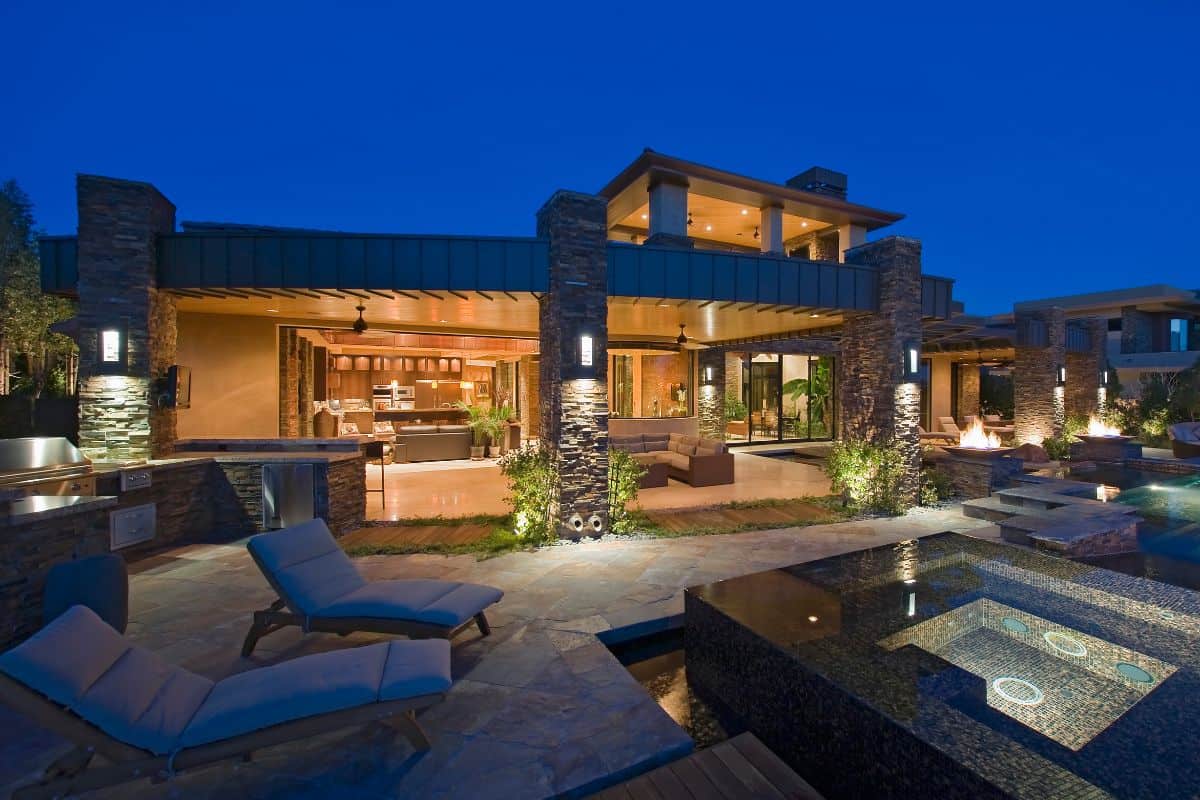
The barbecue or outdoor kitchen area requires more direct and functional lighting, as it is important to be able to see the worktop, the grill and the utensils clearly. For this reason, wall lights, adjustable spotlights or under-canopy lights are often used if there is a pergola. Although visibility should be the priority, this can be complemented with ambient garden lighting.
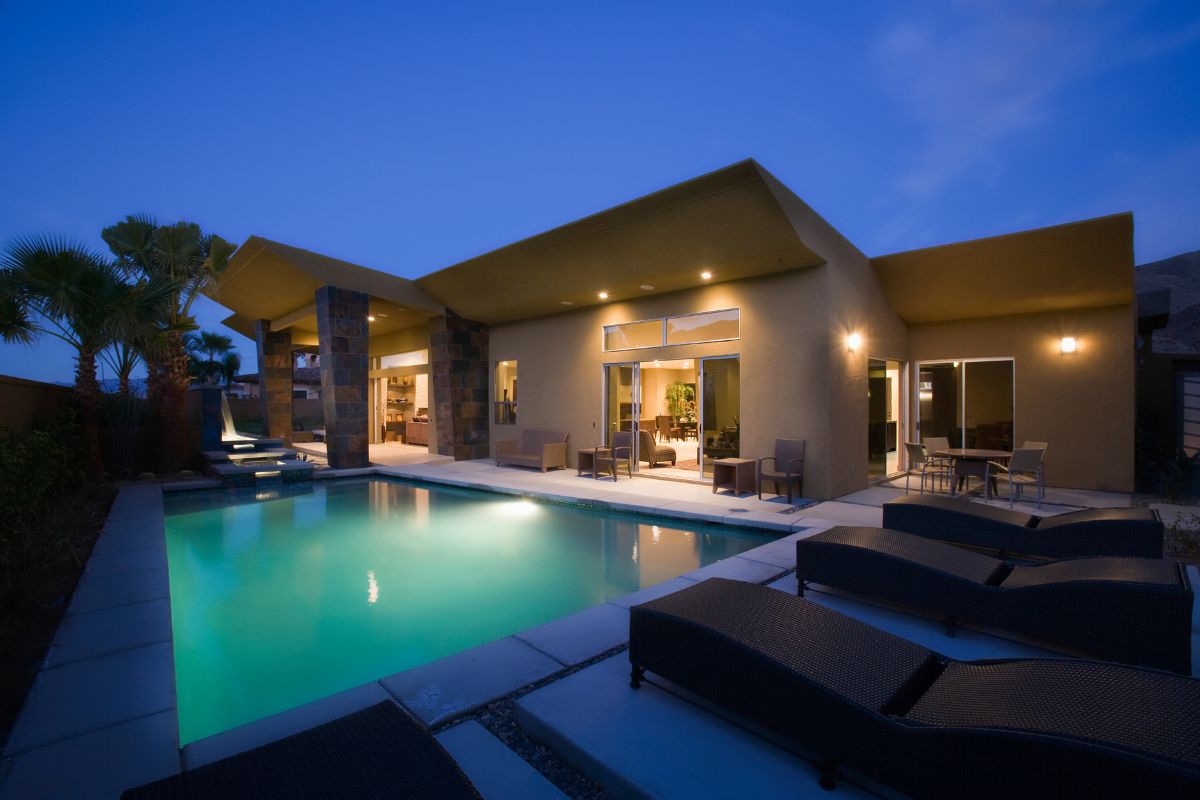
If you have a swimming pool, you can use lighting to improve safety and create a pleasant atmosphere. In this regard, it is advisable to light the access steps, the perimeter of the pool and the sun lounger area, to make it easier to move around at night.
The light should be bright enough to see clearly, but without causing annoying reflections on the water. Furthermore, it can be dimmed near the sun loungers to create a relaxing atmosphere.
In areas that serve a decorative purpose, garden lighting helps to highlight the most distinctive features of the space, such as trees, planters, fountains or outdoor artwork. Depending on your style, you can use lanterns, fairy lights, LED strips or adjustable spotlights to create depth and enhance the desired atmosphere.
A well-lit garden isn’t just about the light sources. Furniture also has a significant influence on the sense of space and brightness, particularly in small spaces, courtyard gardens or gardens with little natural light.
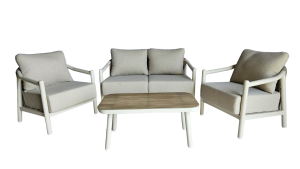
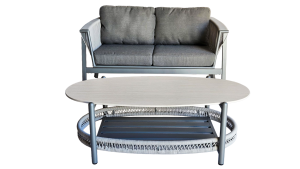
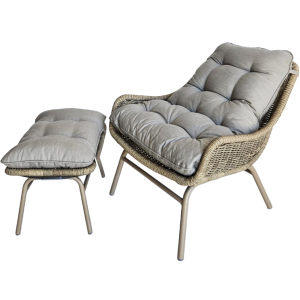
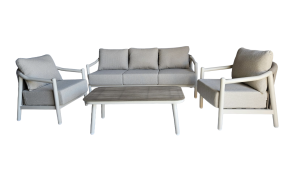
To make the space appear brighter, opt for furniture with clean lines, light colours and lightweight materials. Garden sets in shades of white, beige, sand or light grey help to reflect light better and create a fresher, more pleasant backdrop.
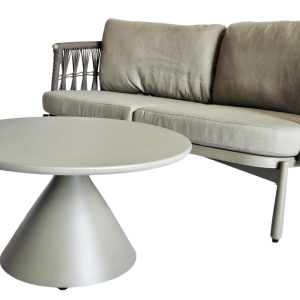
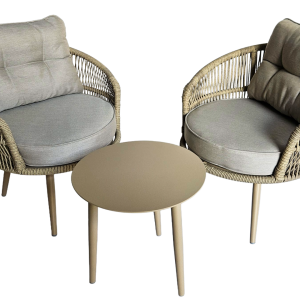
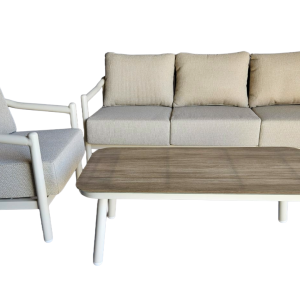
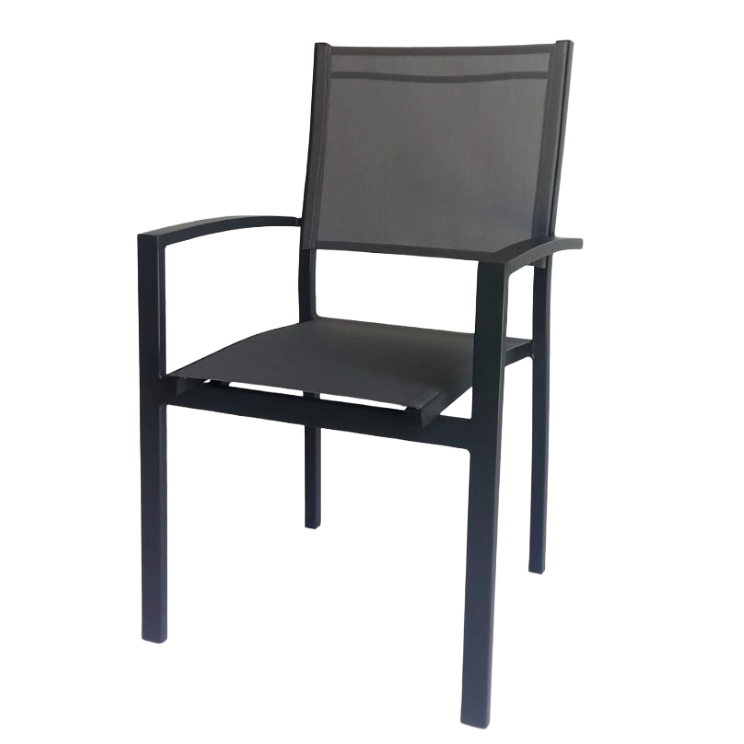
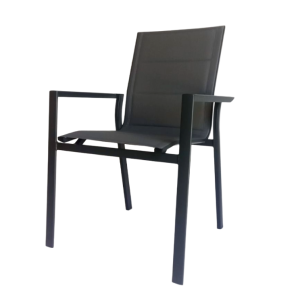
Similarly, you can use glass or ceramic tables in light shades, chairs with aluminium frames and outdoor sofas with cushions in neutral colours. You can also use accent colours on cushions, rugs or other decorative elements, whilst ensuring that the overall effect isn’t too dark.
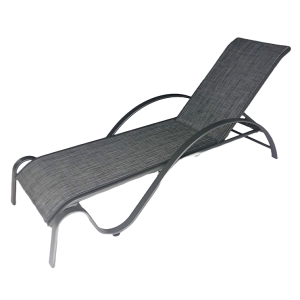
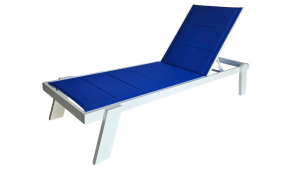
In relaxation areas, it’s best to opt for light-coloured Textilene sun loungers and modular sets with a simple design. Furthermore, combining this furniture with high-quality textiles, parasols in soft shades and small decorative elements helps to reinforce that feeling of an open, well-tended and bright garden, both during the day and at night.
If you need ideas for lighting a small garden, it’s best not to install too many light sources, as they can make the space feel cluttered. It’s better to use wall lights, discreet spotlights or string lights to illuminate only the main areas, such as an outdoor table, a corner with armchairs or a small access path.
To light up garden trees, the most common approach is to place adjustable spotlights at the base and direct the light towards the trunk or the crown. For large trees, it’s best to use a warm, controlled light to avoid an overly artificial effect. For smaller trees, a discreet light source is sufficient.
Lighting gardens with solar lights is a practical option if you don’t have any wiring and are looking for a simple solution that doesn’t require any building work. You can use them to light paths, planters, garden borders or decorative corners, but bear in mind that they need to get enough sunlight during the day to work properly at night.
If you’re planning a garden party, it’s a good idea to boost the lighting around entrances, walkways and the table. It’s also worth providing soft lighting in seating areas to ensure the space remains cosy throughout the evening, using string lights, lanterns or solar lamps.