

Although outdoor sun loungers are one of the star pieces of furniture on any terrace or in any garden, you may not use them all year round, in which case they end up taking up space that might be needed for other activities. That’s why putting them away helps keep your outdoor space tidier and makes the most of the available space without having to make any major changes.
Whilst stackable and foldable models make storage easier, there are also alternatives for storing fixed or bulkier sun loungers so they don’t get in the way when not in use.
In this post, we’ll explain how to store your sun loungers when you’re not using them, offering ideas for small spaces and tips to prevent them from getting damaged whilst they’re stored away.
The first thing to bear in mind is that whether you need to store sun loungers away when they are not in use depends mainly on the materials they are made from. If the sun loungers are made of wood, natural rattan or other materials that are sensitive to damp and exposure to the sun, it is advisable to protect them with covers after use and, in many cases, to store them under cover when they are not in use.
However, in the case of Home Zentrum sun loungers, which are all made from materials resistant to outdoor conditions – such as aluminium, textilene, synthetic rattan or polypropylene – they can remain outdoors all year round without deteriorating.
That said, it may still be a good idea to store your sun loungers if you’re not going to use them for a while, to prevent them from gathering dust and dirt, as well as to keep your terrace tidier.
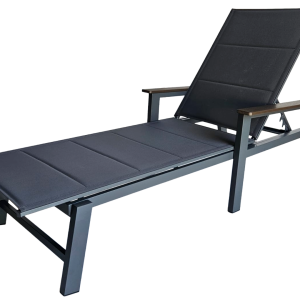
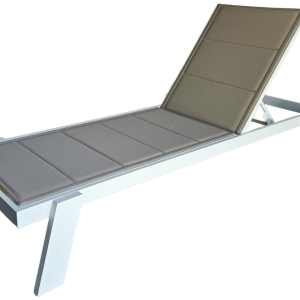
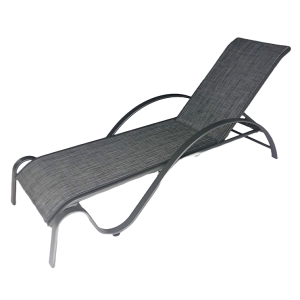
Before putting your sun loungers away, it’s a good idea to spend a few minutes preparing them properly to prevent dirt, dust or damp from becoming a problem when you want to use them again. So, before moving them to your chosen storage spot, you can follow these steps:
The best place to store your sun loungers will depend on the space available at home, as well as the type of sun lounger, its size and features. If it can be folded or stacked, storage will be simpler, whilst bulkier models present greater limitations.
If you have a storage room or garage set aside for storage at home, this is the best option for storing sun loungers, especially if you won’t be using them for a long period of time. As it is an enclosed space that is rarely used on a day-to-day basis, it offers plenty of protection from rain, sun and temperature fluctuations.
Place the sun loungers in an accessible spot and avoid placing heavy objects on the seats or backrests. Also, before storing them, make sure the space is dry and well-ventilated to prevent moisture build-up from causing mould to form on the fabrics.
Another option is to keep the sun loungers under cover on a porch or under a canopy, which is useful if you want to store them away and use them again frequently. Although the sun loungers will still be exposed to ambient humidity – and it is therefore advisable to check them if the materials are not weather-resistant – they will be protected from direct rain and intense sunlight. Try to place them against a wall or in a corner where they won’t get in the way.
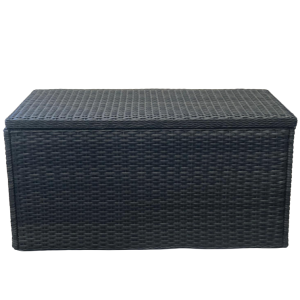
Storing sun loungers in an outdoor storage chest or cupboard is another practical solution, particularly for folding or stackable sun loungers. However, you’ll first need to ensure that the interior dimensions are sufficient and that there is adequate ventilation.
These types of cupboards are usually made from resin or weather-resistant materials and are a suitable alternative when there is no space indoors.
If none of the above options are possible, you can always leave the sun loungers outdoors and cover them with a protective cover. It is important to choose a cover that is breathable, water-resistant, the right size and fitted with wind fastenings. Furthermore, you should only put the cover on when the sun loungers are completely dry.
When space is limited, storing sun loungers when they’re not in use can be more of a challenge. However, with a few small organisational tweaks, you can find useful solutions that allow you to keep your furniture tidied away and your outdoor space clear. Here are some ideas you can try.
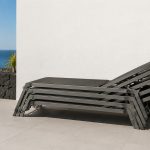
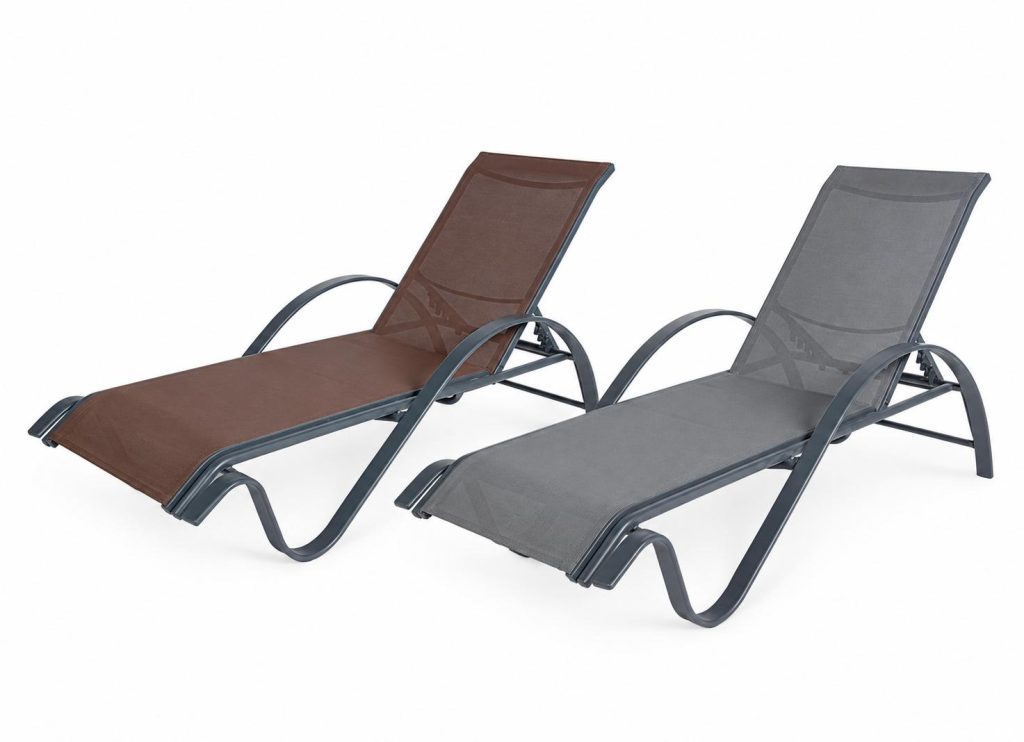
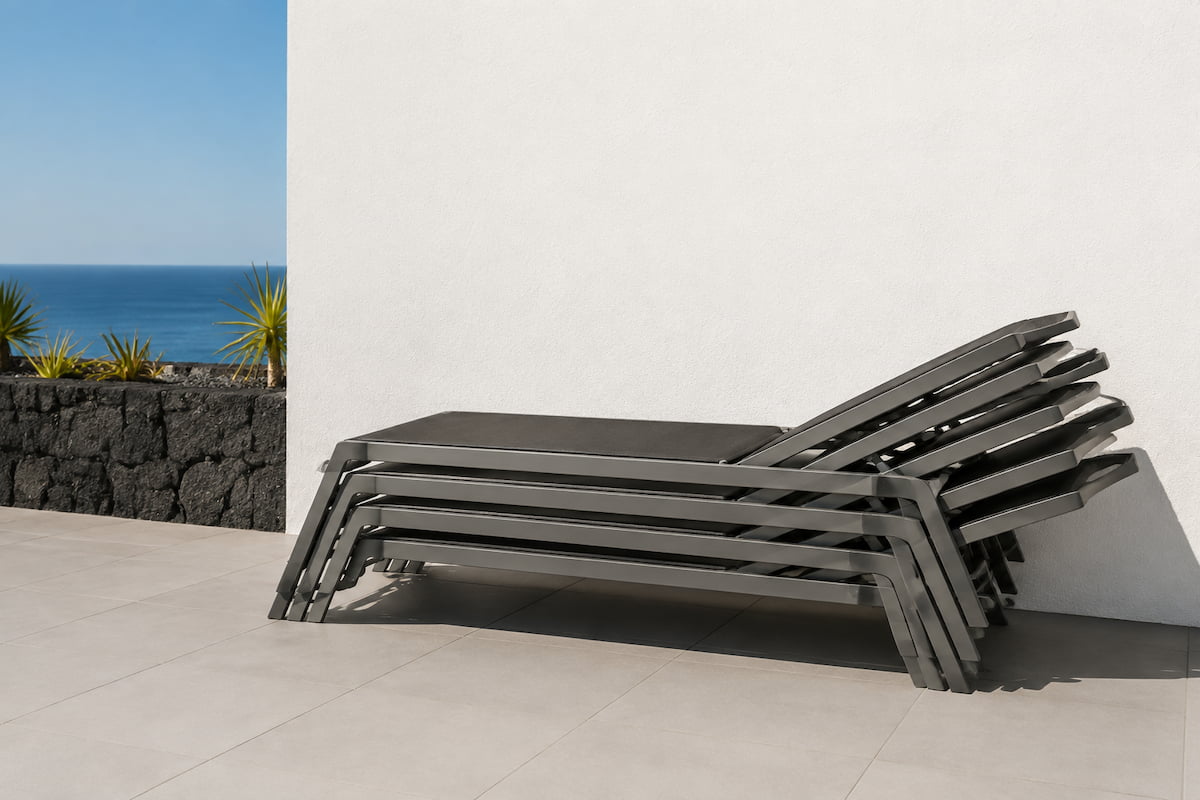
Stackable sun loungers allow you to place several units on top of one another, significantly reducing the floor space they take up, whilst foldable ones reduce their volume and can be stored in small spaces. Before choosing a model, check how much space they take up when stacked or folded away, and how many units the manufacturer recommends stacking on top of one another.
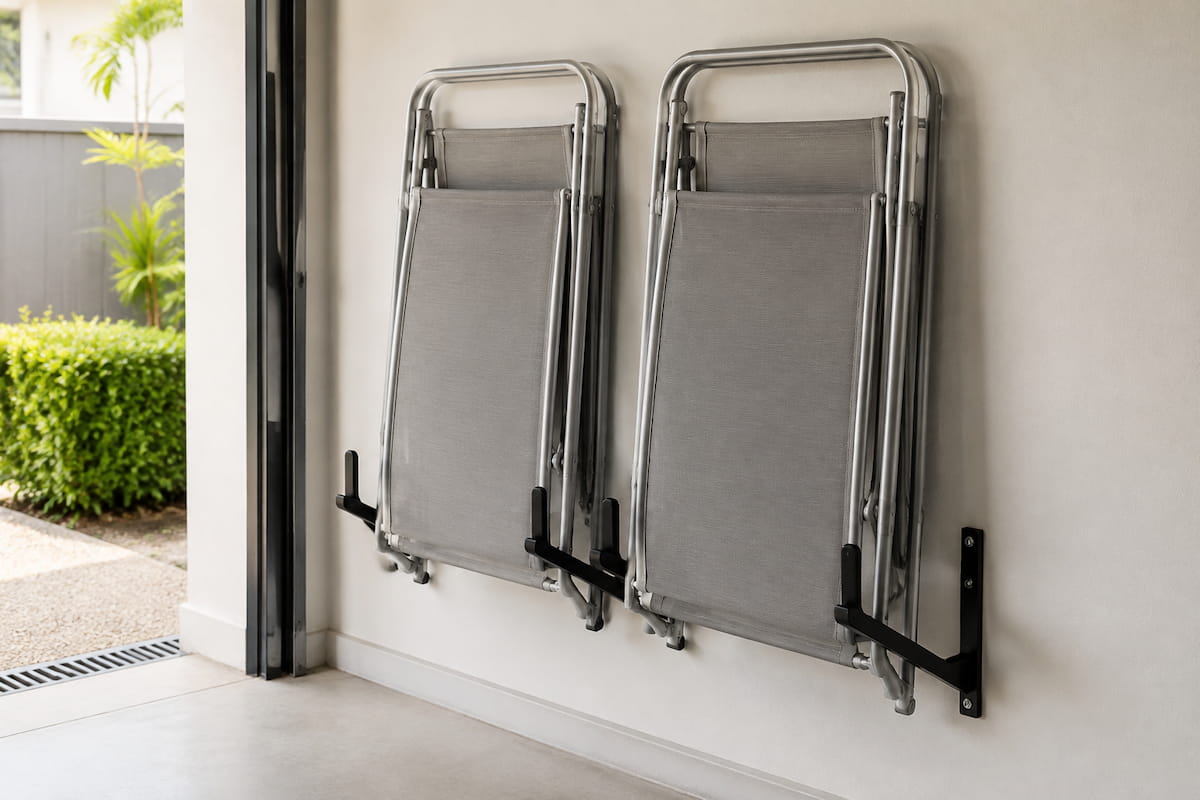
Where the sun lounger’s design allows, you can also store it vertically using supports suitable for its weight. Make sure to install them on a sturdy surface and secure the furniture firmly to prevent it from falling over. This is a particularly useful solution for freeing up floor space on patios, in garages or storage rooms without obstructing walkways.
Areas such as the space under a flight of stairs, a raised platform or a high-ceilinged porch are often left unused. If you measure the space and find that it is tall and wide enough, it can be a great place to store seasonal furniture, such as sun loungers, especially if they can be stacked or folded away.
If you don’t have any enclosed space to store them, setting aside a designated area of the garden or terrace – even if it’s small – goes a long way towards keeping things tidy and organising the space. It’s best to choose an area next to a wall or in a corner, so that access routes remain clear, and take care to ensure it isn’t an area particularly exposed to the wind to prevent them from being blown about.
Removing the mats, headrests or any other accessories reduces the bulk of the sun loungers and makes them easier to store. Furthermore, by storing these items separately, you’ll prevent the weight of the frame from warping them or them absorbing moisture through direct contact with other parts. You can store the cushions and mats in a smaller cupboard or storage chest.
Benches with storage compartments and other outdoor furniture with internal compartments are a good option for storing mats, covers and accessories right on your terrace. This way, these items don’t take up space in the cupboard or storage room set aside for sun loungers, making them a very practical option for small spaces.
When it comes to storing sun loungers, there are some common mistakes that can cause them to deteriorate prematurely. Here’s what they are so you can avoid them:
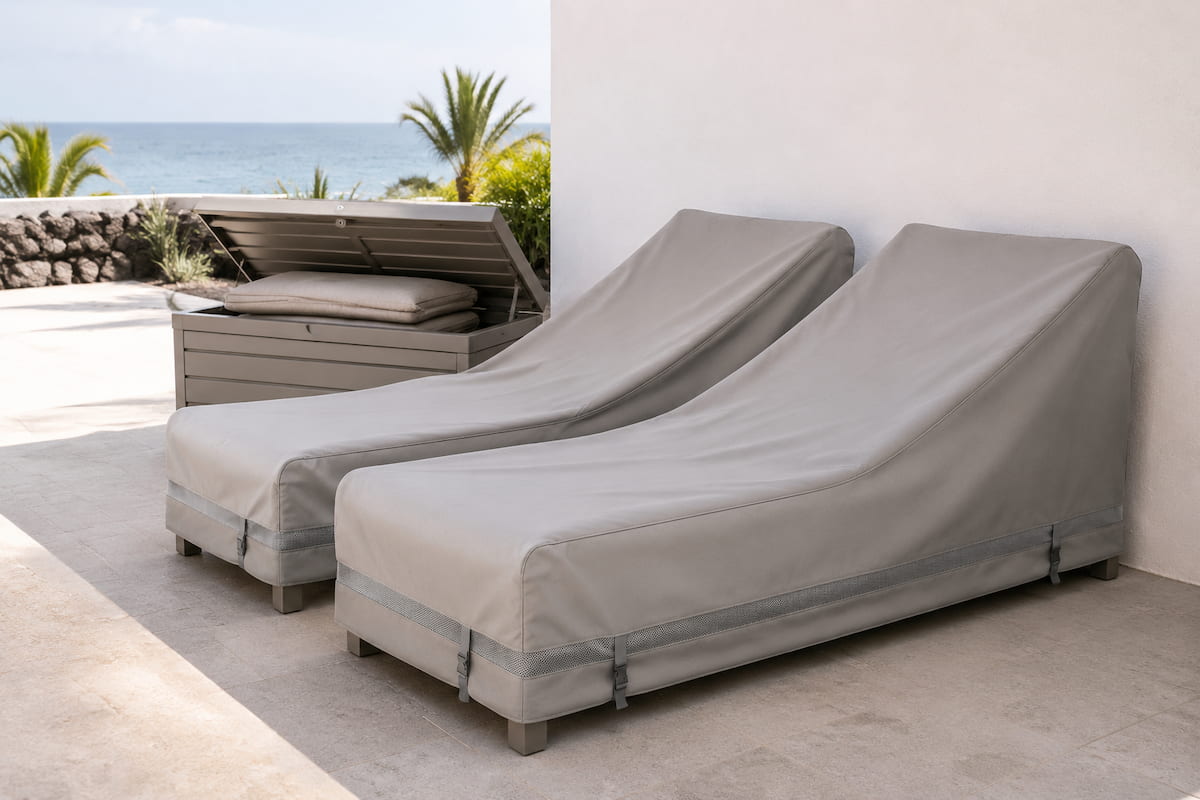
An indoor space offers greater protection against dust and the elements, but it isn’t always necessary. If the sun loungers are weather-resistant and you simply want to prevent dust from building up, covering them with a cover is more than enough.
If the sun loungers are made of wood or other natural materials, it is more important to keep them well protected during long periods of non-use.
No, sun loungers made from weather-resistant materials, such as those from Home Zentrum, can be left outside all year round. It is only practical to put them away when you want to clear the terrace or prevent them from getting dirty.
If they are made from materials that are more sensitive to the elements, they do benefit from being put away more frequently, although it is not usually necessary to bring them in every day and simply fitting a suitable cover may be sufficient.
This can be done when the design and weight of the sun lounger allow it to be stood upright without putting undue strain on the frame. It is best to position them vertically in a stable manner, preferably secured to the wall using sturdy brackets to prevent them from falling over or shifting. It is not advisable to store them vertically if they are likely to slide or exert too much pressure on the wheels and joints.
The most important thing is to store them after cleaning them and ensuring they are completely dry, paying particular attention to the joints, seams and hidden areas. You should also choose a well-ventilated spot to allow air to circulate properly and prevent moisture from building up.
If you are going to cover them with covers, make sure these are breathable, as completely airtight models can trap condensation.
Covers should be water-resistant and UV-resistant, as well as having ventilation openings or being made from a breathable material, to prevent moisture from building up inside. They should also fit snugly around the shape and dimensions of the sun loungers, and have straps, buckles or Velcro fastenings to secure them against the wind.