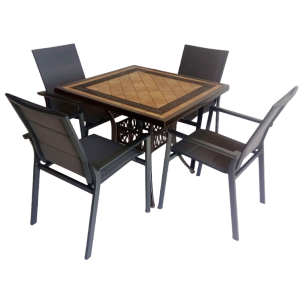


Do you have problems with damp and mould on your outdoor table and chair sets? If so, you know how unpleasant this situation is: it causes unpleasant odours, deteriorates the appearance of the furniture and can even be harmful to your health. That’s why it’s important to know how to clean mouldy furniture in the garden to restore its beauty, prolong its useful life and ensure a healthy environment in your outdoor space.
In this post, we tell you how to remove mould from furniture step by step, but we also give you several tips to prevent it from reappearing. In addition, we explain why this type of fungus tends to form on furniture and which are the most common ones.
First of all, it is important to understand why mould grows on furniture. The causes can be varied but, in general, they are usually due to the coincidence of certain factors, mainly dampness and poor ventilation.
Thus, furniture in damp or poorly ventilated rooms is likely to develop mould over time. If, in addition, there is dust or organic debris on the surface of the furniture, this will serve as food for the fungus and encourage its development. Similarly, lack of cleanliness and condensation build-up also increase the risk of mould.
In the case of garden furniture, although naturally ventilated, the risk increases due to constant exposure to the elements. Rain, night dew, ambient humidity or even garden watering can dampen surfaces. If furniture is not dried properly or is left in the shade for too long, mould can develop quickly, especially in humid climates and porous materials such as wood or textiles.
Before explaining how to remove mould from furniture, it is important to differentiate between the various types of mould that can occur, as they do not all have the same aesthetic impact or the same risks to the health or durability of garden furniture.
There are three main types of moulds that are easily distinguishable by their colour: black, white and green mould. Let’s look at them in detail.
Although there can be different types of black mould, one of the most common is Stachybotrys chartarum, which appears as dark, sometimes slimy spots that can penetrate wood or thick fabrics.
This type of black mould is not only unsightly, but also one of the most dangerous, as it releases spores that can cause respiratory problems, especially in children and the elderly, although outdoors natural ventilation considerably minimises the risk. It is also one of the most resistant and difficult types of mould to remove.
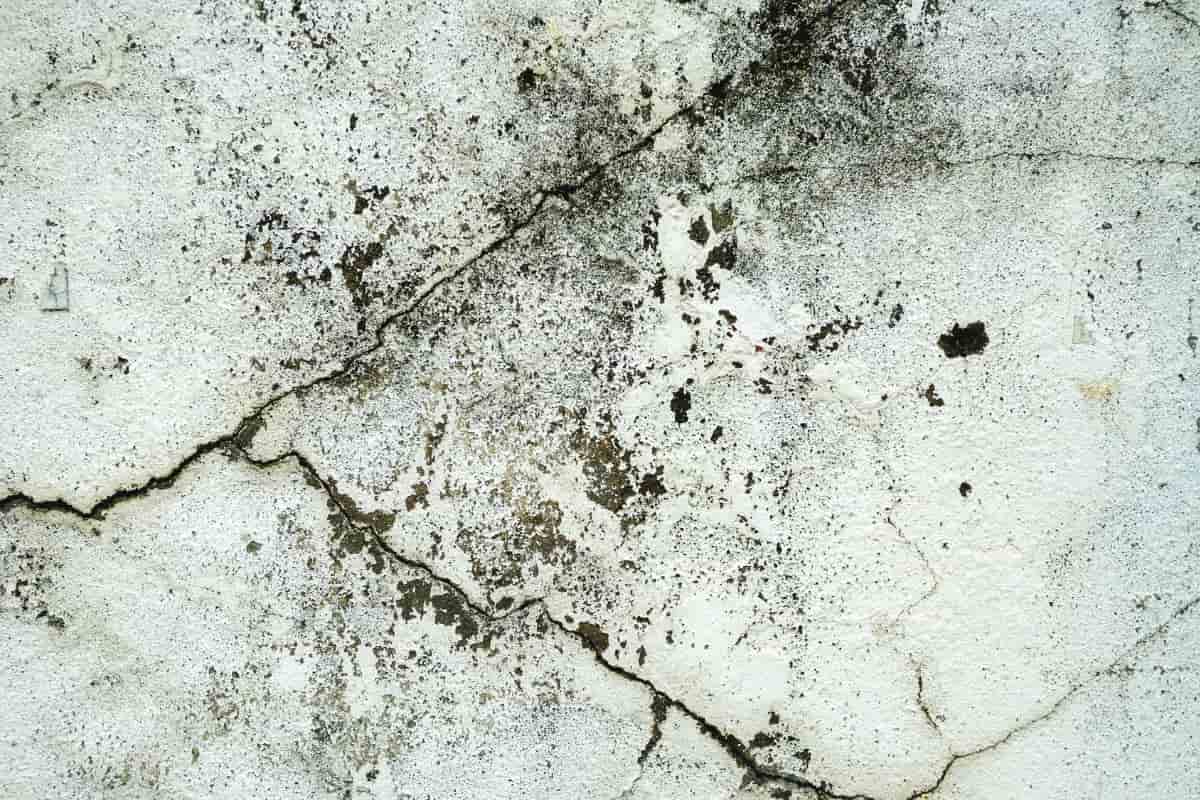
White mould, on the other hand, usually has a cottony or powdery appearance and is indicative of persistent dampness. Although less aggressive than black mould, it can also damage finishes and fabrics if not treated in time.
It is a common problem on outdoor cushions, natural rattan furniture or softwoods that do not dry out completely between exposures to moisture, so in addition to removal, the environment should be checked to prevent further growth.
Green mould is associated with various types of fungi and usually appears as diffuse, light green patches, often with white or bluish edges. Some species of green mould are also responsible for the spoilage of certain foods, such as fruit or bread.
In the case of garden furniture, it is common on porous surfaces that have accumulated water, such as cushions, tarpaulins or untreated wood. Although not always dangerous, it can produce unpleasant odours and deteriorate the appearance of furniture, as well as causing allergic reactions in some people.
Finally, it should be noted that mould can appear on the back of furniture next to walls or fences, especially if there is not good air circulation. In fact, it is common not to pay much attention to these areas during cleaning, allowing moisture and dust to accumulate.
The mould that forms in this area can be of any of the above-mentioned types and spread to the rest of the furniture over time. So, if you are wondering how to clean mould from furniture, you should know that it is essential to check the back to make sure it has not appeared there as well.
Now we are going to explain how to remove mould from a piece of furniture so that you can return it to its original appearance and prevent it from spreading. You can do this by following these simple steps:
Removing musty and damp smells from furniture is just as important as cleaning visible stains. To make sure there is no trace of it, you can follow these tips:
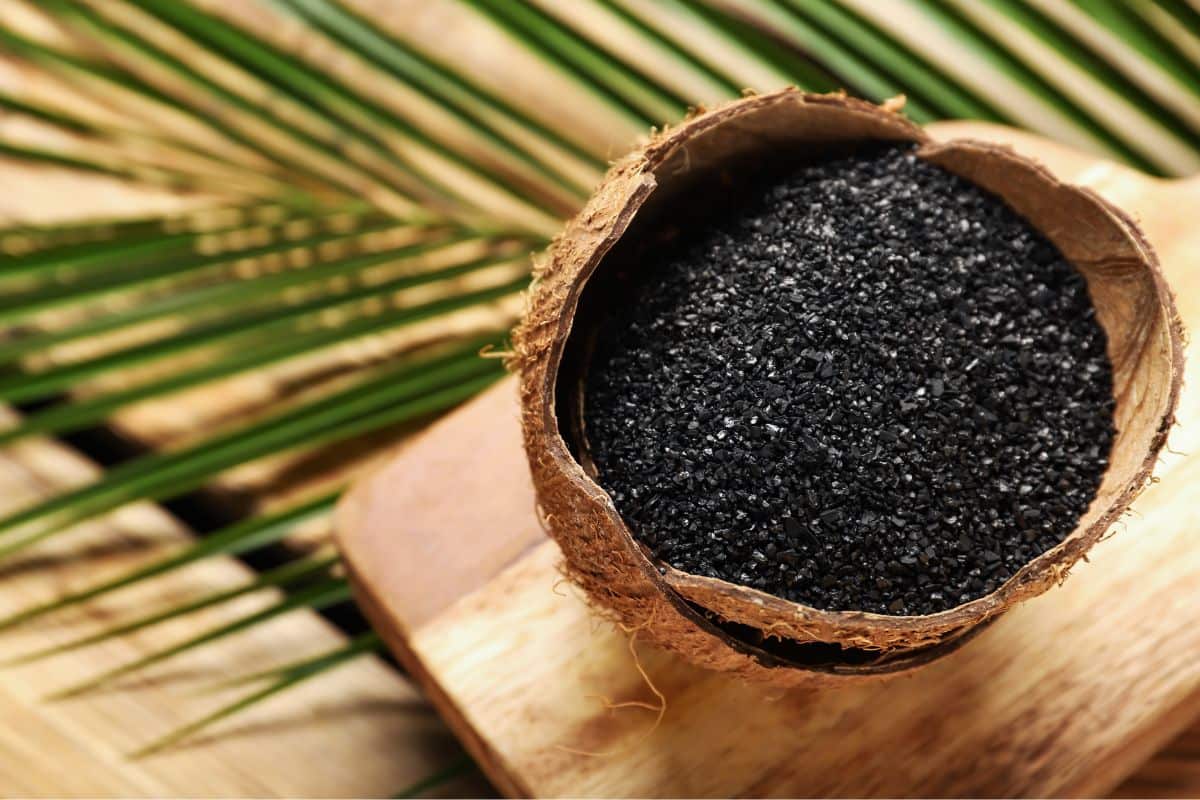
Now that you know how to remove mould from furniture, we are going to give you some simple tips to prevent it from reappearing once it has been removed:
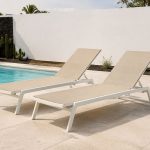
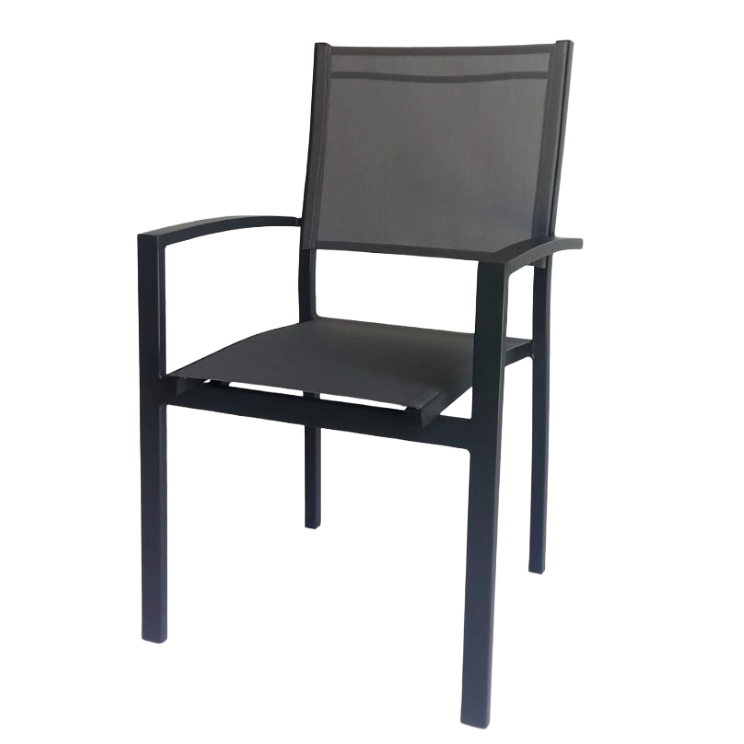
At Home Zentrum we sell outdoor furniture made of pest and fungus resistant materials, ensuring that you can forget about this problem and enjoy clean, beautiful and mould-free furniture. Take a look at our catalogue to find out!