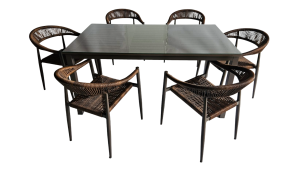


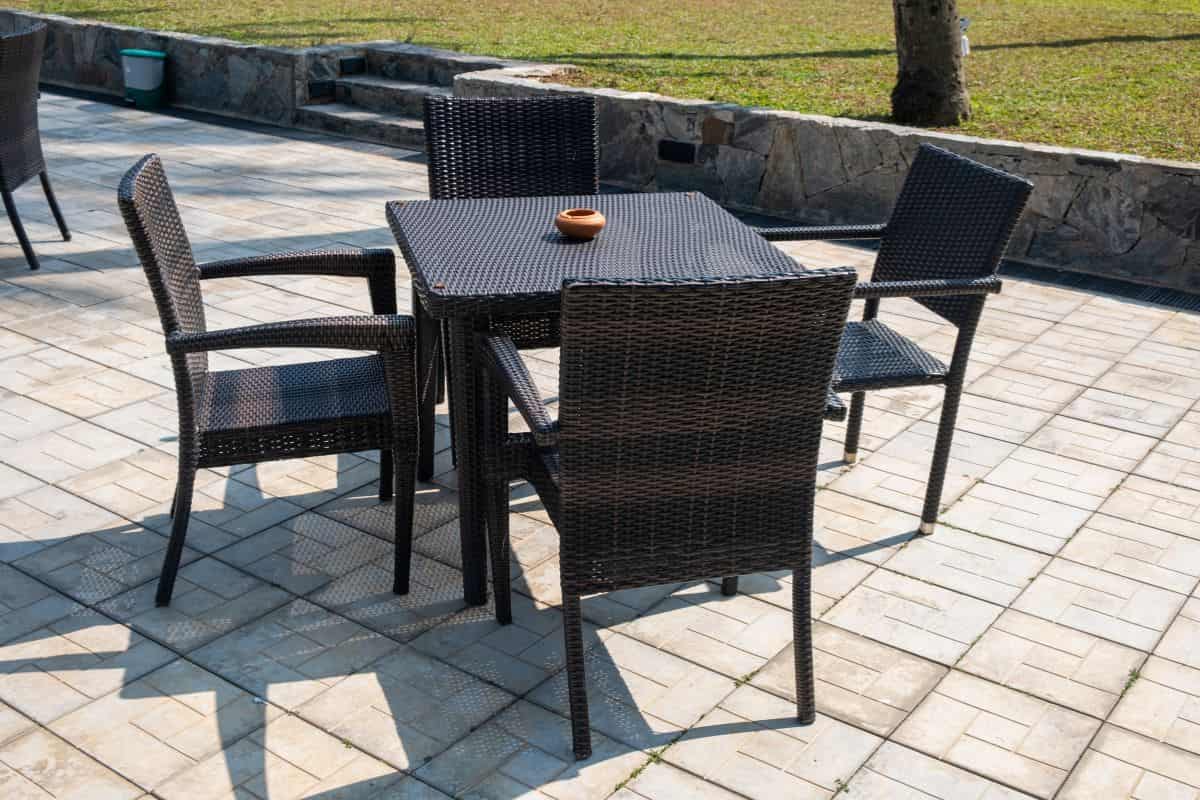
If you are thinking of renovating your outdoor furniture, choosing the right material will be fundamental to guarantee its durability and functionality. In this sense, one of the most popular options is synthetic rattan, but do you know what synthetic rattan is and why it is one of the best alternatives for your garden furniture?
In this post, we will tell you what synthetic rattan is, where it comes from and how it differs from natural rattan. We will also talk about the different properties of this material, as well as the advantages of using it outdoors.
If you are not sure what synthetic rattan is, you should know that it is an artificial composite that imitates natural rattan, a flexible fibre that comes from the rattan palm.
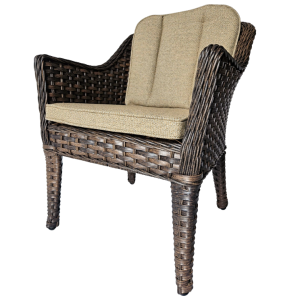
Synthetic rattan is made from plastic resins, mainly polyethylene, which are given the appearance of natural rattan through a process of moulding and extrusion into fine fibres that mimic the shape and texture of the original material. This process produces a material very similar in appearance to natural rattan, but with the difference that it is made from synthetic materials.
This artificial material emerged as a more durable and economical alternative to natural rattan, being more resistant to outdoor conditions and requiring less maintenance.

Now that you know what poly rattan is, let’s take a look at how it differs from natural rattan:
Synthetic rattan has a number of properties that make it a unique and increasingly popular material for a wide variety of applications. Here are some of the most important characteristics:
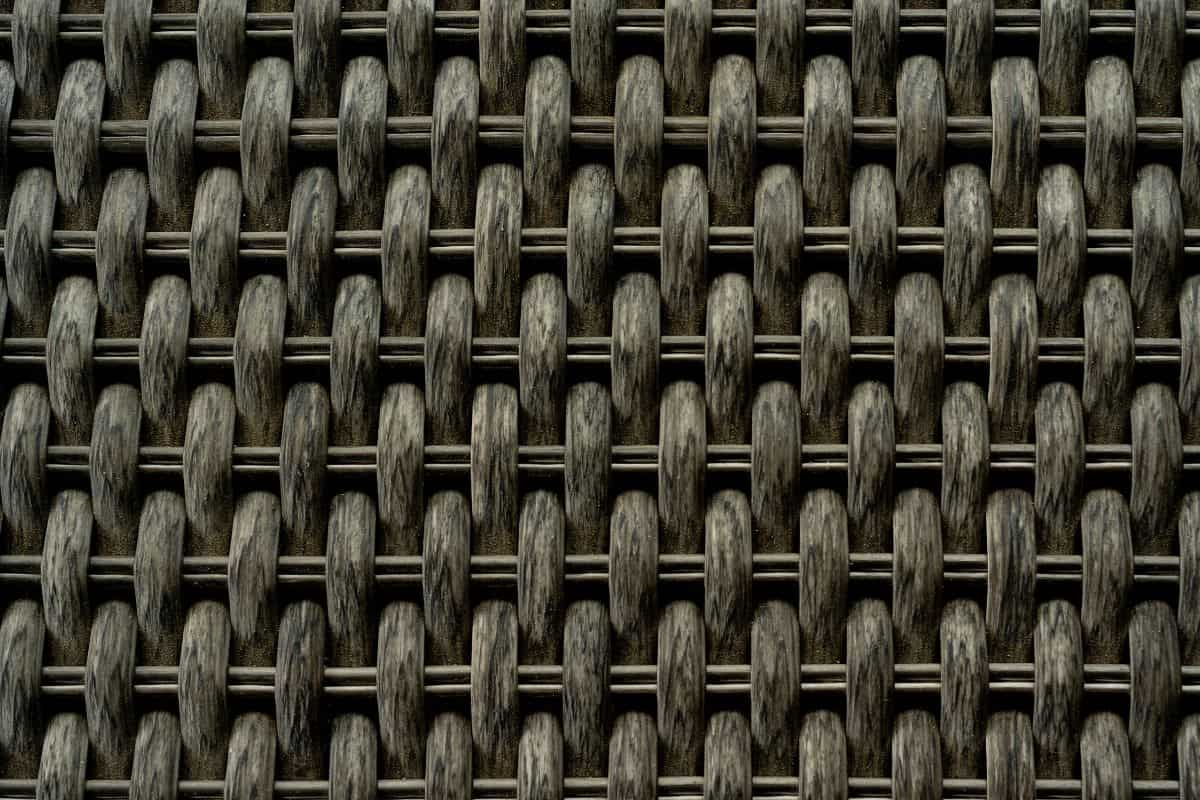
Its excellent properties have made synthetic rattan one of the most widely used materials in the manufacture of outdoor furniture. In fact, it is one of the most popular options for furnishing different types of gardens and terraces, due to its many advantages, including the following:
At this point, you may be wondering whether braided resin is the same as poly rattan, as these are two terms that often cause confusion. The truth is that, although they are not exactly the same, they are closely related.
In short, we could say that synthetic rattan is a specific form of braided resin that mimics natural rattan, while braided resin is a broader term that can refer to any plastic material used to braid products, not necessarily with the appearance of rattan.
So which is better: poly rattan or resin? The answer is that it will depend on your needs. Resins, by encompassing different types of materials, can have varying properties; some are not as weather resistant as synthetic rattan and do not have the same durability, but they can also be more economical.
Therefore, if you are looking for an appearance similar to natural rattan, high durability and good weather resistance, synthetic rattan is the best choice. If you are not going to use your furniture a lot and its durability and appearance are not so important to you, you may be able to choose a cheaper resin with more basic properties.
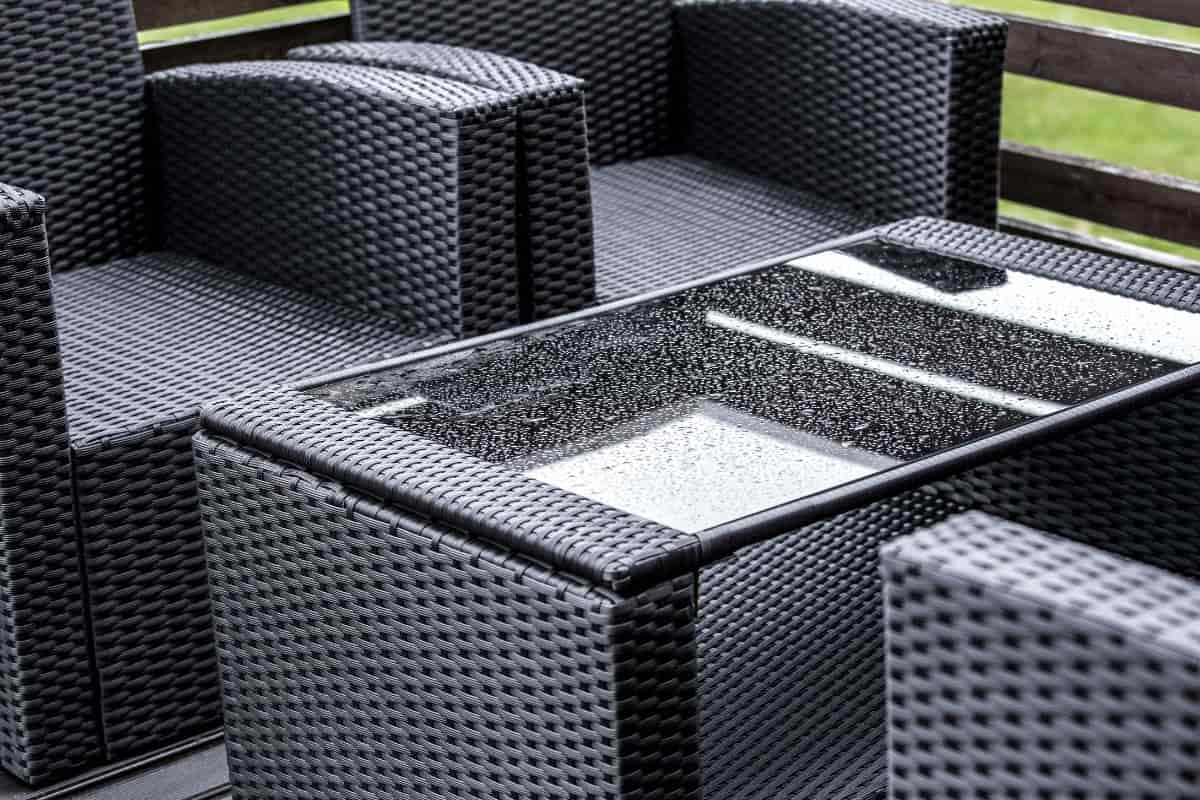
Now that you know the differences between the two types of rattan, you can guess that synthetic rattan is a much better choice for garden furniture, mainly due to its greater resistance to inclement weather, such as exposure to the sun, rain and extreme temperatures.
In addition, synthetic rattan requires less maintenance than natural rattan, as it is not affected by moisture and does not degrade over time. It is also more durable and easier to clean, making it an ideal choice for outdoor furniture.
If you are looking for synthetic rattan furniture for your terrace or garden, check out our catalogue to see all the options available. And if you have any questions, do not hesitate to contact us so that we can advise you.